Women's Mental Health
Mood, hormones, libido, sleep, and medication side effects overlap.
Best fit when mood, anxiety, sleep, libido, cycle pattern, hormone shifts, and medication side effects need to be read together.
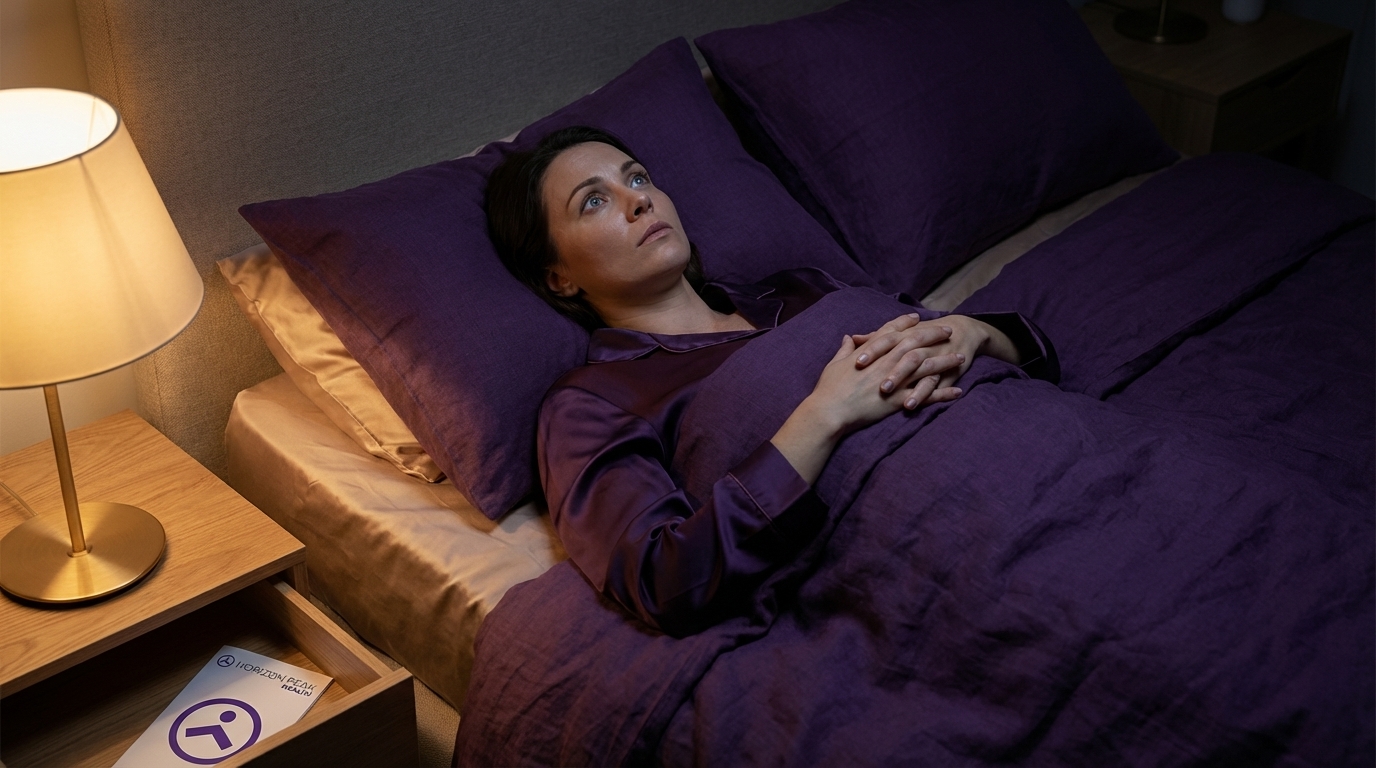
She woke up at 3:12 AM with her heart pounding.
Hot. Shaky. Certain something was wrong.
By the time she got to my office, she had already been told it was panic disorder. Maybe it was. But she was 47, her periods had become unpredictable, she was sleeping four broken hours, and the panic always started in her body before her mind had time to invent a fear.
That pattern changes the workup.
The Fast Answer
- New anxiety after 40 deserves a timeline review, not just another SSRI.
- Hot flashes and night sweats can feel like panic because the body surges first.
- Hormone labs are not always the answer after 45. Symptoms and menstrual history often tell the story better.
- I do not call it primary panic until thyroid, ferritin, sleep, caffeine, stimulants, alcohol, and medication effects have been checked.
- Chest pain, fainting, neurologic symptoms, suicidal thoughts, mania, or psychosis are urgent. Do not write those off as hormones.
Not every article needs an appointment. Use this page for research. Turn it into a visit when the pattern is affecting a real medication, diagnosis, or daily-function decision.
Turn this into a visit when
- Mood, anxiety, focus, sleep, libido, or medication sensitivity changed with timing.
- Cycle, postpartum, perimenopause, or hormone shifts seem connected to symptoms.
- The old psychiatric label does not explain the body pattern.
Bring this pattern
Available for appropriate patients in California and Arizona.
Body-First Panic Feels Different
Classic panic often starts with fear, then the body follows.
Perimenopause can flip that order.
The body surges. Heat rises. Heart rate jumps. Sleep breaks. Then the mind wakes up and tries to explain the emergency. That explanation can become panic, but the first domino was physical.
Patients usually do not describe a neurotransmitter problem. They say the same plain things.
- I wake up already panicked.
- My heart races before I am even thinking.
- I get hot, then scared.
- It happens the week before my period.
- Coffee suddenly feels like a stimulant drug.
- My anxiety medication helped my thoughts, but my body still goes off at night.
That is not proof of perimenopause. It is a clue.
I care about clues.
Why Perimenopause Can Look Psychiatric
Perimenopause is not a smooth estrogen decline. It is fluctuation.
Some months the cycle still looks normal. Other months ovulation is inconsistent, progesterone drops, bleeding changes, sleep gets lighter, and vasomotor symptoms show up. The brain feels that instability because estrogen and progesterone affect serotonin, GABA, temperature regulation, sleep architecture, and stress response.
NICE guidance is useful here because it keeps the testing conversation grounded. For otherwise healthy people 45 and older with menopause-associated symptoms, perimenopause and menopause are usually identified clinically, without confirmatory hormone labs. FSH and estradiol can swing enough that one blood draw may not explain the month.
So I do not start with "order every hormone."
I start with the timeline.
Before you keep searching
If this answer changes what you might do next, pick the next clinical question now.
The Timeline I Want
I want to know what changed first.
Did the anxiety start after sleep broke? Did hot flashes show up before the panic attacks? Did periods get closer together, farther apart, heavier, lighter, or strange? Did ADHD symptoms worsen right before bleeding? Did alcohol start causing 3 AM wakeups? Did a clinician increase thyroid medication, add a stimulant, change birth control, or start an SSRI?
Those details matter more than a single estradiol number.
For anxiety after 40, I usually map the practical stuff first.
- Period pattern over the last year.
- Sleep onset and 3 AM wakeups.
- Hot flashes, night sweats, palpitations, and tremor.
- Caffeine, alcohol, cannabis, stimulant, decongestant, and thyroid medication use.
- SSRI/SNRI starts, stops, missed doses, or dose increases.
- Ferritin, thyroid, B12, vitamin D, glucose, and anemia risk.
- Family or personal history of bipolar disorder, panic disorder, PMDD, postpartum mood symptoms, or trauma.
That is where the diagnosis starts to separate.

Panic Disorder Still Exists
Not every midlife panic attack is perimenopause.
Some patients have primary panic disorder. Some have trauma physiology. Some have hyperthyroidism. Some have low ferritin and restless sleep. Some have sleep apnea. Some have medication activation. Some are drinking two glasses of wine to fall asleep and waking up in withdrawal at 3 AM.
This is why I do not like single-cause explanations.
"It's hormones" can be just as lazy as "it's anxiety."
The diagnosis should explain the pattern.
What I Check Before Escalating Medication
If a patient has new panic-like symptoms after 40, I usually want the basics before we keep changing psychiatric medication.
Thyroid matters because hyperthyroidism can look exactly like panic. Ferritin matters because low iron stores can worsen fatigue, restless legs, poor sleep, palpitations, and anxiety-like physical symptoms. B12 and vitamin D are not magic answers, but deficiencies can make the whole system more fragile.
Sleep may be the biggest lever.
If a patient is waking hot six times a night, no antidepressant is going to perform cleanly. The brain is being interrupted all night and then judged all day.
I also look at medication timing. SSRIs can initially activate anxiety. Stimulants can become less tolerable when sleep collapses. Thyroid medication can be over-replaced. Decongestants and high caffeine can push a vulnerable nervous system into overdrive.
Medication is not wrong.
Random medication changes are wrong.

When SSRIs Help
SSRIs and SNRIs can be useful in perimenopause, especially when anxiety, depression, hot flashes, or panic symptoms are part of the picture. Maki and colleagues' perimenopausal depression guideline supports standard depression treatments while recognizing the menopause transition as a risk window for mood symptoms.
I am comfortable using medication when the pattern fits.
But I want the patient to know what we are treating. An SSRI for cognitive worry is different from an SSRI being used while night sweats, insomnia, low ferritin, and thyroid symptoms are ignored.
That second plan fails more often.
Not because SSRIs are bad.
Because the diagnosis was too small.
When Hormone Care Belongs in the Plan
Some patients need menopause-focused care. That may include nonhormonal options, hormone therapy, contraception, vaginal estrogen for GSM symptoms, sleep treatment, or referral to an OBGYN or menopause specialist.
Hormone therapy is not casual. It needs an individualized risk review, especially with abnormal bleeding, clot or stroke risk, breast cancer history, liver disease, migraine with aura, cardiovascular risk, pregnancy possibility, and medication interactions.
I do not manage every part of that lane.
I do want psychiatry to stop pretending that ovarian hormone fluctuation has nothing to do with the brain.
When to Get Urgent Help
Do not label everything perimenopause.
Get urgent medical care for chest pain, fainting, severe shortness of breath, new neurologic symptoms, severe headache unlike your usual pattern, or a heart rhythm that feels unsafe.
Get urgent psychiatric help for suicidal thoughts, thoughts of self-harm, not sleeping for days, mania, psychosis, severe agitation, or feeling unable to stay safe.
Hormones can contribute. They do not make danger less dangerous.
What to Bring to the Visit
Bring the pattern.
I want dates, not just feelings. Last period. Cycle changes. Wakeup times. Hot flashes. Panic timing. Medication changes. Caffeine. Alcohol. Supplements. Lab results. Family history.
If you have been told "it's just anxiety" but nobody has looked at sleep, thyroid, ferritin, B12, vitamin D, medication timing, stimulant tolerance, and perimenopause symptoms, the workup is not finished.
The next question is not whether this is "mental" or "physical."
It is both until proven otherwise.
Medical Disclaimer: This article is for educational purposes only and does not constitute medical advice. Perimenopause, panic symptoms, hormone therapy, psychiatric medication, supplements, thyroid treatment, and sleep problems require individualized evaluation by qualified clinicians. Do not start, stop, taper, combine, or change psychiatric medications, hormones, thyroid medications, or supplements without guidance from the clinician who knows your medical history. If you have suicidal thoughts, thoughts of self-harm, mania, psychosis, severe agitation, chest pain, fainting, severe shortness of breath, neurologic symptoms, or another emergency, seek urgent care. In a mental health crisis, call or text 988 (Suicide & Crisis Lifeline) or go to the nearest emergency room.
References
- NICE. Menopause: identification and management NG23. Updated 2024. https://www.nice.org.uk/guidance/ng23/chapter/Recommendations
- NICE. Quality statement 1: Diagnosing perimenopause and menopause. https://www.nice.org.uk/guidance/QS143/chapter/quality-statement-1-diagnosing-perimenopause-and-menopause
- The Menopause Society. Perimenopause. https://menopause.org/patient-education/menopause-topics/perimenopause
- Maki PM, Kornstein SG, Joffe H, et al. Guidelines for the evaluation and treatment of perimenopausal depression. Menopause. 2018. PMID: 30179986.
- The 2022 Hormone Therapy Position Statement of The North American Menopause Society. Menopause. 2022. PMID: 35797481.
Where to take this next
Care that picks up where the reading stops
Written by
Canybec Sulayman APRN, PMHNP-BC, CCRN-CSC
Investigating the root causes of mental health symptoms with 19 years of ICU diagnostic rigor.
Want a plan that fits the whole picture?
Bring the symptoms, medication history, labs, sleep pattern, and questions. The goal is a clearer explanation and safer next step.