
PMDD vs Bipolar Disorder: The Pattern That Changes the Diagnosis
PMDD is cycle-timed. Bipolar disorder is episode-based. The wrong pattern can lead to the wrong medication plan.
Clinical Insights
Evidence-based perspectives on mental health, physiology, and the path to recovery.

PMDD is cycle-timed. Bipolar disorder is episode-based. The wrong pattern can lead to the wrong medication plan.

When sex hurts, desire often disappears. Treating the tissue and ignoring the mood, medication, and avoidance loop can still leave patients stuck.

Testosterone gets sold as the answer for everything. The evidence is much narrower, and the mental health story needs a real workup.

Low libido is not one diagnosis. Desire, arousal, pain, orgasm, distress, mood, hormones, and medication history all need to be separated.

If Prozac helped your mood but changed your libido, sleep, appetite, anxiety, or emotional range, the answer is a side-effect review, not shame.

Natural progesterone can still cause side effects. If mood, sleep, or brain fog changed after a hormone change, the timing matters.

Perimenopause can feel like a mental health crisis, but suicidal thoughts, mania, psychosis, and not sleeping for days are never just hormones.

New anxiety after 40 deserves more than another SSRI. Perimenopause can feel like panic disorder, but the right diagnosis depends on the timeline, sleep, hormones, labs, and medication history.

Your 'normal' magnesium level is almost meaningless—serum magnesium represents less than 1% of total body stores. Learn why the right test and the right form of magnesium matter for anxiety, insomnia, and mood.

Mood symptoms after 40 are not always primary depression. Perimenopause, thyroid disease, low ferritin, sleep disruption, and medication effects can look psychiatric. Hormone labs help selectively, not automatically.

A normal CBC does not rule out low ferritin. Low iron stores can contribute to fatigue, brain fog, restless legs, poor sleep, depression, and anxiety symptoms. The interpretation has to be careful.

Most psychiatrists treat depression and insomnia as separate problems. Research shows they're often two sides of the same coin--and treating one without the other is why you're still struggling.
ADHD in women can look like anxiety, perfectionism, burnout, cycle-related brain fog, and emotional exhaustion. The diagnosis gets missed when clinicians only look for the stereotype.

Many adults confuse ADHD symptoms with burnout because both involve exhaustion, focus struggles, and low motivation. This post breaks down the daily patterns, subtle differences, and recovery strategies to help you tell them apart, and know when to seek support.

Most providers prescribe propranolol for anxiety without investigating why you're anxious in the first place. Physical symptoms tell a story—and propranolol might be masking what your body is trying to tell you.

Gabapentin works for anxiety in specific cases—social anxiety, alcohol recovery, chronic pain overlap. Learn dosing, side effects, and why medical testing matters first.

Compare Lexapro vs Zoloft: efficacy, side effects, and dosing. Escitalopram ranked #1 for anxiety—plus why medical testing matters for treatment success.

Medication and therapy are not rivals. For the right patient, Wellbutrin can make therapy easier to use by improving energy, motivation, and follow-through. The fit depends on diagnosis, safety, and medical factors.

Wellbutrin and benzodiazepines work in completely opposite ways - one activates, one sedates. Here's how to know which might help your anxiety type, and why choosing the wrong one keeps patients stuck for months.

Wellbutrin is not an SSRI, and it is not automatically wrong for anxiety. The pattern decides: wired panic, tired anxious depression, SSRI side effects, ADHD-like symptoms, sleep, labs, and safety risks.

You started Wellbutrin two days ago and now you can't sleep, your heart feels like it's racing, and you're more anxious than before. Is this normal? Should you stop? Most of what you're experiencing is predictable, temporary, and doesn't mean the medication won't work for you.

Your doctor prescribed Wellbutrin 150mg and said you might need 300mg eventually. But how do you know if your current dose is working? Finding the optimal dose isn't just about milligrams—it's about understanding your body's response.

Tirzepatide now has head-to-head data showing greater weight loss than semaglutide, but the better medication still depends on cardiovascular history, sleep apnea, side effects, cost, and monitoring.

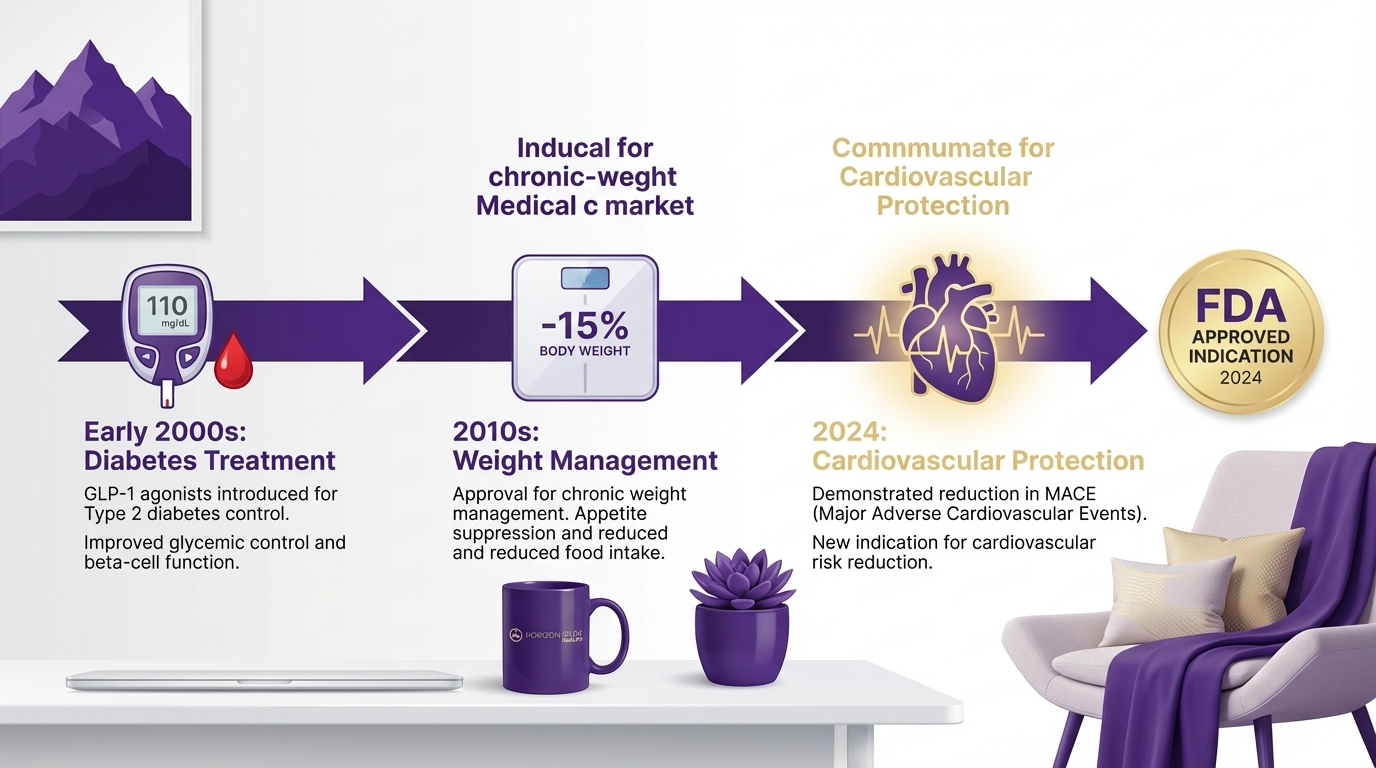
GLP-1 medications are no longer only diabetes or weight-loss drugs. The current story includes cardiovascular risk reduction, sleep apnea, MASH, and a much higher bar for monitoring.