
Medication Review
Not sure if the medication story actually fits?
Best fit when the question is dose, timing, side effects, interactions, diagnosis fit, or what has already failed.
She did not want sex.
She wanted to want sex.
That sentence changes the whole visit. Low desire without distress is not the same thing as low desire that makes someone feel broken, scared, resentful, guilty, or disconnected from a partner.
I do not treat libido like one switch.
The Fast Answer
- Low desire is only a disorder when it is persistent and distressing to the person experiencing it.
- Desire, arousal, orgasm, pain, and relationship safety are different clinical questions.
- SSRIs, depression, anxiety, poor sleep, vaginal pain, perimenopause, trauma, and stress can all flatten desire.
- Libido medication should not come before the medication list, mood pattern, sleep, hormones, pain, and relationship context.
Not every article needs an appointment. Use this page for research. Turn it into a visit when the pattern is affecting a real medication, diagnosis, or daily-function decision.
Turn this into a visit when
- You are changing, stopping, restarting, or adding a psychiatric medication.
- Side effects are shaping the decision more than the original symptom is.
- The medication partly helps, but the diagnosis, sleep, labs, or timing still do not fit.
Bring this pattern
Available for appropriate patients in California and Arizona.
Desire Is Not A Moral Score
Women get blamed for low libido in subtle ways.
Too stressed. Too cold. Too distracted. Too anxious. Too hormonal. Too complicated.
I do not find that useful.
Desire is a biopsychological function. It changes with mood, sleep, safety, pain, hormones, medications, body image, sensory load, resentment, grief, and fatigue. Calling that "stress" is technically possible and clinically lazy.
Separate The Parts
I want to know which part changed.
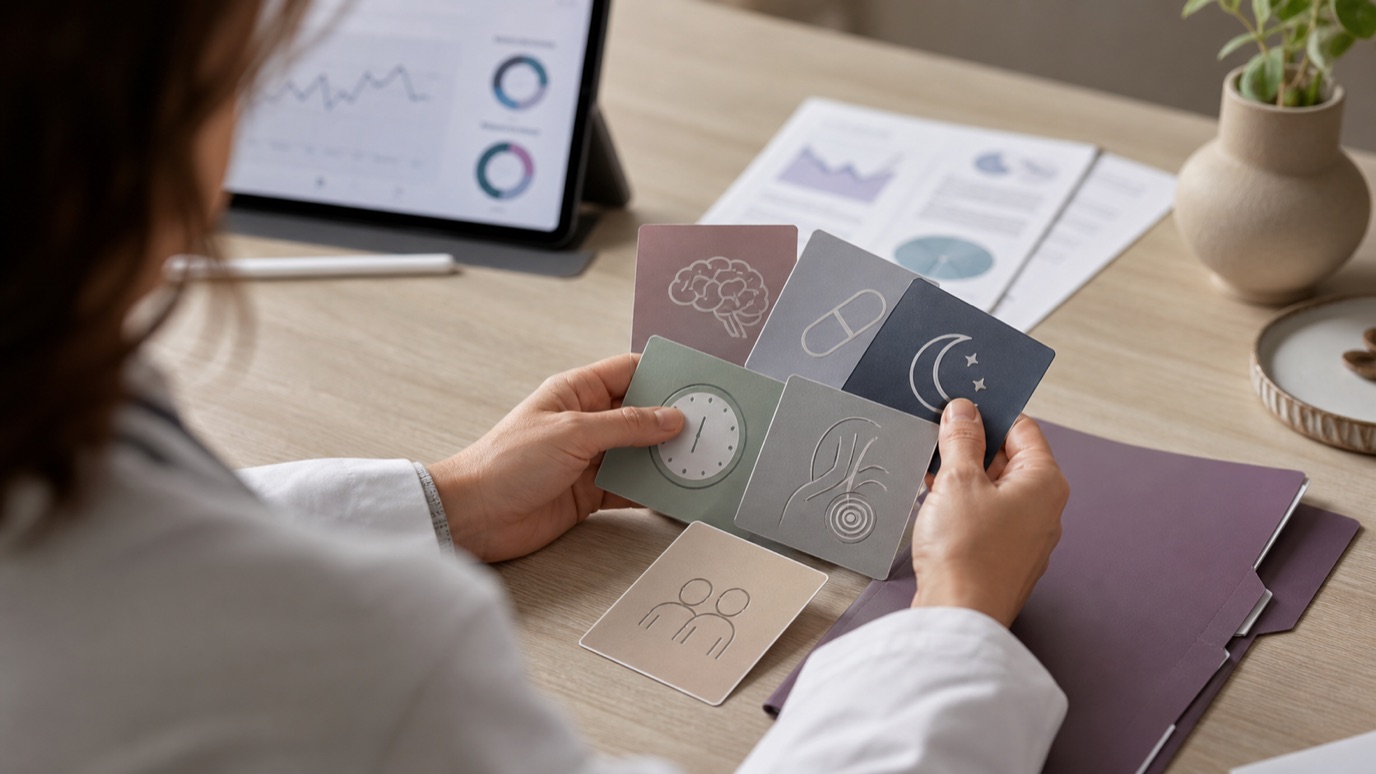
Desire is wanting. Arousal is physical response. Orgasm is climax. Pain is pain. Distress is how much the symptom bothers the person. Relationship safety is whether sex feels emotionally or physically safe.
Those questions get mixed together constantly.
A patient may have desire but avoid sex because it hurts. Another may have no desire because depression flattened everything. Another may want sex mentally but cannot orgasm after an SSRI. Another may have desire only when sleep is decent, which means almost never.
Those are different problems.
Before you keep searching
If this answer changes what you might do next, pick the next clinical question now.
The Medical Layer
Vaginal dryness and pain matter.
Genitourinary syndrome of menopause can affect vaginal and urinary tissue after estrogen changes. NAMS has described GSM as common and often undertreated. I care because pain teaches the nervous system to avoid.
Thyroid, ferritin, anemia risk, sleep apnea, chronic pain, medication burden, and alcohol can all matter too.
This is why I get irritated when the first question is "Do you need testosterone?"
Maybe.
But not first.
The Psychiatric Layer
Depression can make desire feel inaccessible.
Anxiety can make sex feel performative or unsafe. Trauma can make the body shut down before the mind can explain it. ADHD overload can make touch feel like one more demand. Body image can make desire disappear once clothes come off. Relationship stress can turn libido into a referendum on the whole marriage.
I do not reduce that to "mental."
Mental is still medical.
The Medication Layer
SSRIs and SNRIs can lower libido, delay orgasm, or make arousal feel muted. Some antipsychotics can raise prolactin. Benzodiazepines, some sleep medications, antihistamines, opioids, hormonal contraception, and alcohol can all change sexual function in different ways.
Medication may be the cause.
Or medication may be the thing that improved depression enough for the patient to notice the sexual problem.
That distinction matters.
HSDD Is Real
Hypoactive sexual desire disorder is not "woman wants less sex than her partner."
The desire change has to be distressing to her. It also needs a diagnostic review so clinicians do not miss depression, medication effects, relationship threat, pain, substances, or medical illness.
I am open to libido-targeted treatment when the pattern fits.
I am not open to skipping the workup.
What To Bring
Bring the medication list, start dates, mood timeline, sleep pattern, cycle or menopause changes, vaginal dryness, pain, orgasm changes, relationship safety concerns, trauma history if relevant, alcohol or cannabis use, and what "low libido" means in your actual life.
Do not sanitize it.
The sanitized version is usually less useful.
The Point
Low libido is not one diagnosis.
If the plan does not separate desire, arousal, orgasm, pain, distress, medication effects, mood, sleep, hormones, and safety, it is not a plan yet.
Medical Disclaimer: This article is for education only and is not medical advice. Low libido, depression, anxiety, trauma, vaginal pain, hormone symptoms, SSRIs, psychiatric medications, relationship safety, and sexual function concerns require individualized care. Do not start, stop, taper, combine, or change psychiatric medications, hormones, supplements, libido medications, or other prescriptions without guidance from the clinician who knows your history. Seek urgent help for suicidal thoughts, self-harm urges, mania, psychosis, severe depression, coercion, abuse, pelvic pain with fever, abnormal bleeding, chest pain, fainting, or another emergency. In a mental health crisis, call or text 988.
References
- Kingsberg SA, et al. Hypoactive sexual desire disorder assessment and treatment review. PMID: 34510696.
- Parish SJ, et al. ISSWSH clinical practice guideline for systemic testosterone for HSDD in women. PMID: 33814355.
- The 2020 Genitourinary Syndrome of Menopause Position Statement of The North American Menopause Society. PMID: 32852449.
- The 2022 Hormone Therapy Position Statement of The North American Menopause Society. PMID: 35797481.
- Montejo AL, et al. Antidepressant-induced sexual dysfunction. PMID: 10370443.
Where to take this next
Care that picks up where the reading stops
Written by
Canybec Sulayman APRN, PMHNP-BC, CCRN-CSC
Investigating the root causes of mental health symptoms with 19 years of ICU diagnostic rigor.
Want a plan that fits the whole picture?
Bring the symptoms, medication history, labs, sleep pattern, and questions. The goal is a clearer explanation and safer next step.