
Medication Review
Not sure if the medication story actually fits?
Best fit when the question is dose, timing, side effects, interactions, diagnosis fit, or what has already failed.
The depression improved.
The desire disappeared.
That is the part patients often say last. They will tell me about nausea, sleep, appetite, and headaches before they say the medication changed sex. Not because it is rare. Because most clinicians do not ask well.
I ask.
The Fast Answer
- Prozac can help depression, panic, OCD, PMDD symptoms, and anxiety disorders.
- It can also cause sexual dysfunction, lower libido, orgasm delay, insomnia, anxiety activation, GI symptoms, appetite change, and emotional blunting.
- Low libido on Prozac is not automatically a relationship problem.
- Low libido is also not automatically the medication.
- Do not stop Prozac abruptly or change the dose without your prescriber.
Not every article needs an appointment. Use this page for research. Turn it into a visit when the pattern is affecting a real medication, diagnosis, or daily-function decision.
Turn this into a visit when
- You are changing, stopping, restarting, or adding a psychiatric medication.
- Side effects are shaping the decision more than the original symptom is.
- The medication partly helps, but the diagnosis, sleep, labs, or timing still do not fit.
Bring this pattern
Available for appropriate patients in California and Arizona.
Prozac Is Not The Villain
Fluoxetine is a useful medication.
I prescribe SSRIs when the pattern fits. Prozac has a long half-life, which can be helpful for some patients and annoying for others because dose changes take time to fully show up.
The problem is not the medication existing.
The problem is pretending side effects are not part of the decision.
DailyMed fluoxetine labeling lists sexual dysfunction, anxiety, insomnia, altered appetite and weight, serotonin syndrome risk, mania/hypomania activation risk, bleeding risk, seizure caution, and discontinuation symptoms. That does not mean everyone gets them. It means clinicians should ask.
The Side Effects Women Underreport
Sexual side effects are the big one.
Lower desire. Delayed orgasm. No orgasm. Genital numbness. Arousal that feels disconnected from the mind. Sometimes the mood is better and the body feels offline.
Then there is sleep.
Some patients get early activation. They feel wired, anxious, restless, or unable to sleep. Others get sleepy. Fluoxetine can do either, and timing can matter.
Weight is less clean. Some patients lose appetite early. Some gain over time. Some blame the medication when depression recovery changed eating. Some blame themselves when the medication changed appetite.
I do not guess from vibes.
I track the timeline.

Before you keep searching
If this answer changes what you might do next, pick the next clinical question now.
Low Libido Has A Differential
If libido dropped after Prozac, I care.
But I still check the rest of the map.
Depression itself can flatten desire. Anxiety can make sex feel unsafe. Perimenopause can change arousal, sleep, and vaginal tissue. Vaginal dryness or pain can shut desire down through avoidance. Trauma, relationship strain, body image, ADHD overload, alcohol, cannabis, and poor sleep can all show up as "I have no sex drive."
This is why a quick medication switch can miss the point.
The clinical question is what changed first.
Options To Discuss
There are options.
Sometimes the right move is waiting because early side effects fade. Sometimes dose timing helps. Sometimes dose reduction is reasonable. Sometimes switching makes sense. Sometimes bupropion is considered as an add-on or alternative, especially when sexual side effects or low energy are part of the problem.
And sometimes the patient says, "My mood is finally stable, and I can live with this trade-off."
I respect that answer too.
Treatment is not a purity test. It is a trade-off discussion with the actual patient in the room.
When I Get More Cautious
I slow down when there is bipolar history, decreased need for sleep, new risk-taking, agitation, psychosis, suicidal thoughts, heavy alcohol use, multiple serotonergic medications, pregnancy planning, bleeding risk, seizure history, or a complicated medication list.
Prozac is not a supplement.
It is a psychiatric medication with real benefits and real risks.
What To Bring
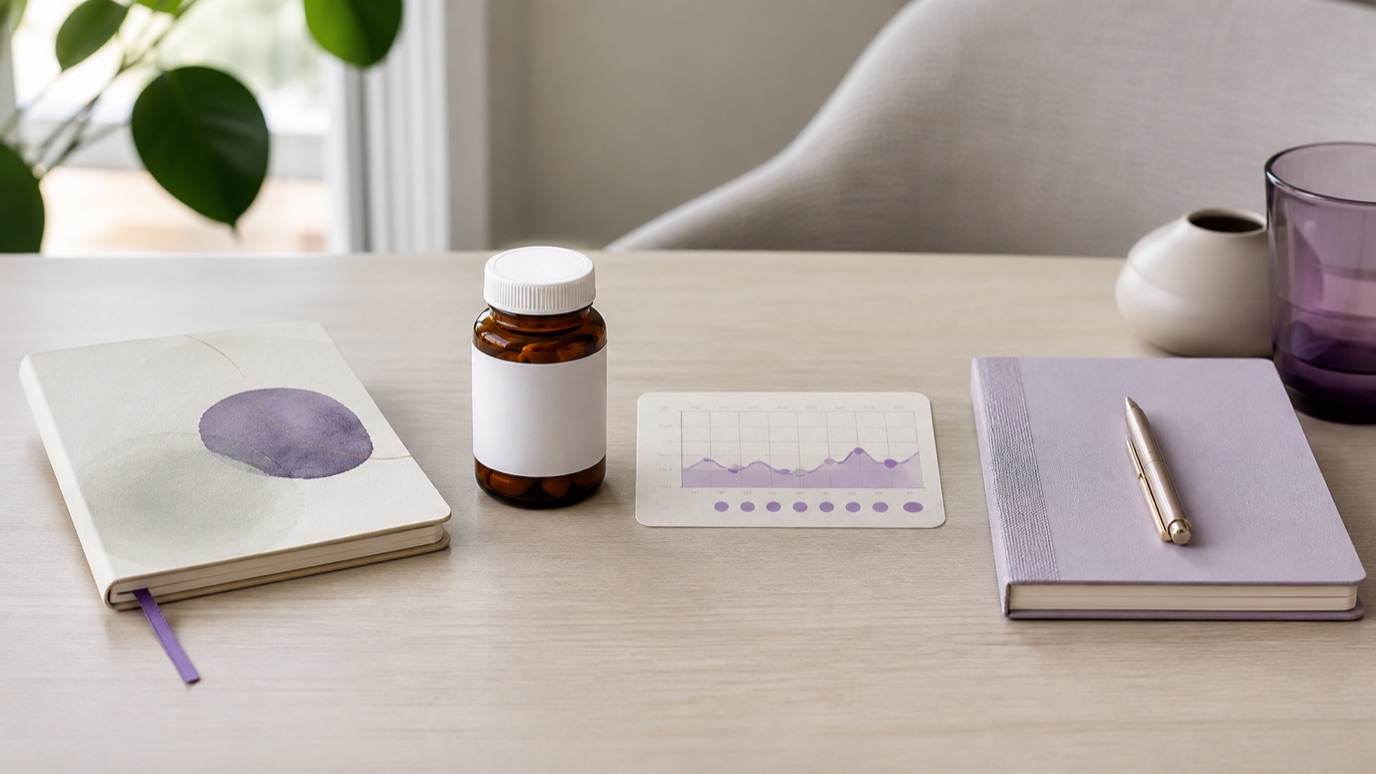
Bring the dose, start date, dose-change date, what improved, what worsened, missed doses, other medications, supplements, alcohol, cannabis, menstrual changes, hot flashes, vaginal pain, sleep pattern, and any history of mania or hypomania.
Bring the sexual side effects even if nobody asked.
That data changes the plan.
The Point
If Prozac helped but cost you libido, sleep, appetite, or emotional range, that is not a failure.
It is information.
The next prescription should be based on that information, not on embarrassment.
Medical Disclaimer: This article is for education only and is not medical advice. Fluoxetine, SSRIs, bupropion, psychiatric medications, sexual side effects, pregnancy planning, bleeding risk, serotonin syndrome risk, bipolar disorder, and hormone-related symptoms require individualized care. Do not start, stop, taper, combine, or change psychiatric medications, hormones, supplements, or other prescriptions without guidance from the clinician who knows your history. Seek urgent help for suicidal thoughts, self-harm urges, mania, psychosis, severe agitation, serotonin syndrome symptoms, chest pain, fainting, severe shortness of breath, or another emergency. In a mental health crisis, call or text 988.
References
- DailyMed. Fluoxetine capsule prescribing information. https://dailymed.nlm.nih.gov/dailymed/lookup.cfm?setid=a1b40d46-5233-49d7-9833-762cb6999012
- Montejo AL, et al. Antidepressant-induced sexual dysfunction. PMID: 10370443.
- Safarinejad MR. Bupropion for SSRI-induced female sexual dysfunction. PMID: 20080928.
- Clayton AH, et al. Bupropion SR as an antidote for SSRI-induced sexual dysfunction. PMID: 14744170.
- Reisman Y. Post-SSRI sexual dysfunction literature review. PMID: 28778697.
Where to take this next
Care that picks up where the reading stops
Written by
Canybec Sulayman APRN, PMHNP-BC, CCRN-CSC
Investigating the root causes of mental health symptoms with 19 years of ICU diagnostic rigor.
Want a plan that fits the whole picture?
Bring the symptoms, medication history, labs, sleep pattern, and questions. The goal is a clearer explanation and safer next step.