Diagnostic Psychiatry
Still trying to explain symptoms that do not fit neatly?
Best fit when the diagnosis, medication history, labs, sleep, hormones, and day-to-day function do not line up cleanly.
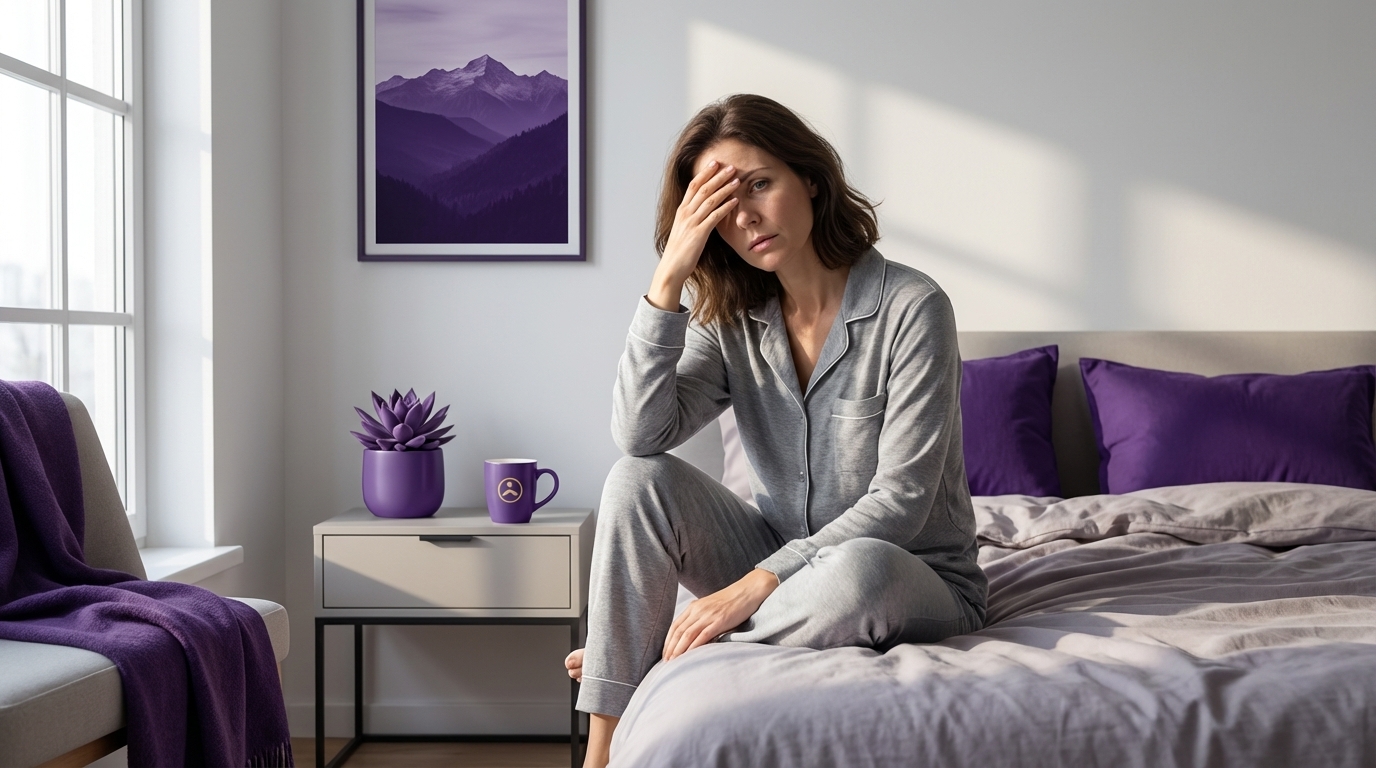
You can't sleep because you're anxious. You're anxious because you can't sleep.
Which came first?
This chicken-and-egg question has a real answer--and breaking the cycle requires addressing both sides simultaneously. The overlap is real, but I don't like vague ranges here. In one VHA cohort, 118,105 patients had sleep apnea; within that group, depression was coded in 21.8% and anxiety in 16.7% (Sharafkhaneh et al., 2005; PMID: 16335330). Untreated sleep problems can keep antidepressants from getting a fair test.
After three different antidepressants and two sleep medications, David was still waking up at 3 AM every night. His psychiatrist kept increasing doses, but nothing worked. A detailed history revealed something critical: his wife reported he stopped breathing repeatedly during sleep. His sleep study showed severe obstructive sleep apnea--42 apneic events per hour. Within six weeks of CPAP therapy, his depression lifted without changing his antidepressant.
The relationship between sleep and mental health is bidirectional: depression disrupts sleep, and poor sleep worsens depression. Breaking this vicious cycle requires investigating--and treating--both simultaneously.
Why Sleep Disruption Causes Psychiatric Symptoms
Sleep isn't just rest--it's when the brain performs critical maintenance. During deep sleep (stages 3 and 4), the brain clears metabolic waste products through the glymphatic system. REM sleep consolidates emotional memories and regulates mood. When sleep architecture is disrupted, these processes fail.
The consequences are measurable:
After one night of poor sleep:
- Amygdala reactivity increases by about 60%, impairing emotional regulation (Yoo et al., 2007; DOI: 10.1016/j.cub.2007.08.007; PMID: 17956744)
- Prefrontal cortex connectivity decreases, worsening decision-making and impulse control
- Sleep disturbance is associated with higher CRP and IL-6, while TNF-alpha is not consistently elevated across the meta-analysis (Irwin et al., 2016; DOI: 10.1016/j.biopsych.2015.05.014; PMID: 26140821)
After chronic sleep deprivation:
- Serotonin and dopamine production decreases
- Cortisol remains elevated throughout the day
- Insulin sensitivity decreases (metabolic dysregulation)
- Short sleep and circadian disruption are tied to adverse metabolic and neuroendocrine changes (Schmid et al., 2015; DOI: 10.1016/S2213-8587(14)70012-9; PMID: 24731536)
These aren't just correlations--they're direct mechanisms. Getting 5-6 hours of fragmented sleep every night means brain chemistry is working against every antidepressant.
Not every article needs an appointment. Use this page for research. Turn it into a visit when the pattern is affecting a real medication, diagnosis, or daily-function decision.
Turn this into a visit when
- The diagnosis, symptoms, medication response, and body pattern do not line up.
- You have tried treatment, but the explanation still feels incomplete.
- Sleep, labs, hormones, ADHD, mood, anxiety, or medication effects may be tangled together.
Bring this pattern
Available for appropriate patients in California and Arizona.
The Three Most Commonly Missed Sleep Disorders
1. Obstructive Sleep Apnea (OSA)
What it looks like:
- Snoring (though not everyone with OSA snores)
- Witnessed apneas (partner reports breathing stops)
- Waking gasping or choking
- Morning headaches
- Unrefreshing sleep despite 7-8 hours in bed
- Excessive daytime sleepiness
Why it matters for mental health: Sleep apnea causes repeated oxygen desaturations throughout the night--sometimes hundreds of times. Each desaturation triggers a stress response: cortisol spikes, blood pressure increases, and sleep architecture is destroyed. Deep restorative sleep never happens.
The psychiatric impact is profound:
- In the VHA cohort, patients with sleep apnea had depression coded in 21.8% and anxiety coded in 16.7% (Sharafkhaneh et al., 2005; PMID: 16335330)
- OSA severity tracks with higher PHQ-9 depression scores in sleep-clinic samples (Edwards et al., 2015; DOI: 10.5664/jcsm.5020; PMID: 25902824)
- Antidepressants have significantly reduced efficacy in untreated OSA
- In CPAP-compliant patients, Edwards et al. reported PHQ-9 >=10 falling from 74.6% to 3.9% after 3 months, while antidepressant use stayed constant (Edwards et al., 2015; DOI: 10.5664/jcsm.5020; PMID: 25902824)
Who's at risk:
- BMI >30, though a lower BMI does not rule out OSA
- Neck circumference >17 inches (men) or >16 inches (women)
- Retrognathia (recessed jaw)
- Nasal obstruction or deviated septum
- Hypothyroidism (tissue swelling narrows airway)
Assessment questions:
- "Do you snore loudly enough that your partner can hear it from another room?"
- "Has anyone witnessed you stop breathing or gasp during sleep?"
- "Do you wake up with your heart racing or feeling like you can't breathe?"
- "Are you exhausted even after 8 hours in bed?"
- "Do you fall asleep easily during the day--watching TV, reading, at red lights?"
Yes answers to two or more indicate a sleep study is warranted. The test measures apnea-hypopnea index (AHI):
- AHI 5-15: Mild OSA
- AHI 15-30: Moderate OSA
- AHI >30: Severe OSA
Treatment changes everything: CPAP (continuous positive airway pressure) therapy keeps the airway open during sleep. Compliance can be hard at first, but the psychiatric benefits can be dramatic for patients who persist. Patients who failed four antidepressants sometimes respond once their sleep apnea is treated.
2. Restless Legs Syndrome (RLS) and Periodic Limb Movement Disorder (PLMD)
What it looks like:
- Uncomfortable sensations in legs (crawling, tingling, aching)
- Irresistible urge to move legs, especially at night
- Symptoms worse when lying down or sitting still
- Temporary relief with movement
- Sleep onset insomnia (can't fall asleep for hours)
- Partner reports kicking throughout the night
Why it matters for mental health: RLS prevents sleep onset--patients lie awake for hours fighting the urge to move. PLMD causes repetitive leg movements during sleep (often every 20-30 seconds), fragmenting sleep architecture without the patient realizing it. Both conditions destroy sleep quality, leading to severe insomnia, daytime fatigue and irritability, difficulty concentrating, and mood dysregulation.
The iron connection: This is often missed: RLS is strongly tied to iron status in many patients. Ferritin is the storage form of iron, and brain iron is involved in dopamine signaling. When ferritin is low or transferrin saturation is low, RLS symptoms can worsen.
Standard "normal" ferritin ranges are broad. For clinically significant RLS, the American Academy of Sleep Medicine guideline discusses iron treatment when ferritin is 75 ng/mL or lower, or transferrin saturation is under 20% (Winkelman et al., 2025; DOI: 10.5664/jcsm.11390; PMID: 39324694). That is a sleep/RLS threshold, not a universal depression target.
Assessment questions:
- "Do you have uncomfortable sensations in your legs when you're trying to fall asleep?"
- "Can you describe the sensation? Crawling, tingling, aching, restless?"
- "Does moving your legs make it better temporarily?"
- "Does it take you more than 30 minutes to fall asleep because of this?"
- "Has your partner mentioned that you kick or move your legs during sleep?"
Labs to order:
- Ferritin
- Iron, TIBC, % saturation (full iron panel)
- Vitamin D (deficiency can worsen RLS)
- Magnesium (often low in RLS patients)
Treatment approach:
- First-line: iron treatment when iron studies support it, especially in RLS patterns
- Ferrous sulfate 325 mg daily, or
- IV iron infusion if oral not tolerated or ineffective
- Recheck ferritin in 8-12 weeks
- Second-line: Dopamine agonists (pramipexole, ropinirole) if iron repletion insufficient
- Third-line: Gabapentin or pregabalin for refractory cases
The psychiatric symptoms often improve dramatically once sleep quality is restored.
3. Delayed Sleep-Wake Phase Disorder (DSWPD)
What it looks like:
- Natural sleep time: 2-4 AM
- Natural wake time: 10 AM-12 PM
- Severe difficulty falling asleep at "normal" bedtimes
- Feeling most alert late at night
- Extreme difficulty waking for morning commitments
- No sleep problems when allowed to follow natural schedule
Why it matters for mental health: DSWPD is a circadian rhythm disorder where the biological clock is shifted 3-6 hours later than societal norms. Forcing sleep at 10 PM and waking at 6 AM (for work) means fighting biology--creating chronic sleep deprivation and circadian misalignment.
The psychiatric consequences:
- Chronic sleep debt (sleeping 5-6 hours on weekdays, 10-12 hours on weekends)
- Morning depression and irritability
- Difficulty concentrating during morning hours
- Social isolation (peak hours don't match others)
- Often misdiagnosed as depression, ADHD, or "laziness"
Who's affected:
- Weitzman's original delayed-sleep-phase paper described 30 of 450 patients seen for a primary insomnia complaint (Weitzman et al., 1981; PMID: 7247637)
- Onset typically in adolescence/early adulthood
- Strong genetic component (often runs in families)
- More common in people with ADHD and autism spectrum disorders
Assessment questions:
- "If you could choose your ideal sleep schedule with no obligations, when would you naturally fall asleep and wake up?"
- "Do you feel much more alert and productive late at night compared to mornings?"
- "On weekends or vacations, do you sleep much later than weekdays?"
- "When you don't have to wake up early, do your sleep problems improve significantly?"
Treatment options:
- Light therapy: Bright light (10,000 lux) for 30 minutes upon waking to advance circadian rhythm
- Melatonin: 0.5-3 mg taken 4-5 hours before desired bedtime (not at bedtime)
- Chronotherapy: Gradually shifting sleep schedule earlier over weeks
- Lifestyle modifications: Maximize morning light exposure, dim lights after 8 PM
The key insight: DSWPD isn't insomnia--it's a circadian timing disorder. Standard sleep hygiene and sedatives don't fix the underlying problem. The biological clock needs shifting, not just forced sleep.
When Psychiatric Medications Worsen Sleep
Many psychiatric medications significantly disrupt sleep architecture, even though they're prescribed to treat conditions that already involve sleep problems. The irony is cruel--the medication that helps mood may be destroying sleep, which then worsens mood.
SSRIs and SNRIs (most common antidepressants):
- Many activating antidepressants can disrupt sleep in short-term treatment, including fluoxetine and venlafaxine (Wichniak et al., 2017; DOI: 10.1007/s11920-017-0816-4; PMID: 28791566)
- Increase sleep latency (time to fall asleep)
- Cause vivid dreams or nightmares
- Can worsen or induce primary sleep disorders, including RLS, nightmares, REM sleep behavior disorder, bruxism, and sleep apnea
- Examples: fluoxetine (Prozac), sertraline (Zoloft), venlafaxine (Effexor)
Bupropion (Wellbutrin):
- Activating for most people
- Increases sleep latency
- Can cause initial insomnia in first 2-4 weeks
- Sometimes improves sleep long-term by treating depression
Stimulants (ADHD medications):
- Dramatically increase sleep latency if taken too late in day
- Suppress total sleep time
- Can cause rebound insomnia as medication wears off
- Half-life matters: methylphenidate 3-4 hours, amphetamines 10-12 hours
The clinical dilemma: The antidepressant treats depression, but the antidepressant is disrupting sleep, and poor sleep is worsening depression. What to do?
A systematic approach:
- Assess baseline sleep architecture: What were sleep problems like before medication?
- Time medications strategically:
- SSRIs in morning if activating
- Avoid stimulants after 2 PM
- Consider sustained-release formulations
- Add sleep-promoting agents if needed:
- Trazodone 25-50 mg at bedtime (also antidepressant)
- Mirtazapine 7.5-15 mg at bedtime (also antidepressant, increases deep sleep)
- Gabapentin 300 mg at bedtime (also treats RLS)
- Monitor and adjust: If sleep doesn't improve in 4-6 weeks, consider switching antidepressant to one with less REM suppression
The goal isn't perfect sleep on night one--it's optimizing both mood and sleep over 2-3 months. Sometimes that means tolerating mild initial insomnia from an SSRI because treating the depression will ultimately improve sleep more than the medication disrupts it. But close monitoring and adjustment are essential.
Before you keep searching
If this answer changes what you might do next, pick the next clinical question now.
The Assessment Questions Standard Visits Skip
In a 15-minute medication check, there's no time to investigate sleep thoroughly. But sleep assessment should be as detailed as psychiatric assessment. Here are the questions that matter:
Sleep quantity and quality:
- "What time do you get into bed, and what time do you actually fall asleep?"
- Why this matters: Differentiates sleep onset insomnia from just late bedtime
- "How many times do you wake up during the night?"
- Why this matters: Differentiates sleep maintenance insomnia from sleep onset
- "When you wake up during the night, how long does it take to fall back asleep?"
- Why this matters: Brief awakenings are normal; 30+ minute awakenings suggest insomnia
- "What time do you naturally wake up, and what time do you actually get out of bed?"
- Why this matters: Differentiates early morning awakening from sleeping too long
- "Do you feel rested when you wake up?"
- Why this matters: Unrefreshing sleep despite adequate hours suggests sleep disorder
Sleep disorder screening: 6. "Do you snore? Has anyone witnessed you stop breathing or gasp during sleep?"
- Screens for: Obstructive sleep apnea
- "Do you have uncomfortable sensations in your legs that make it hard to fall asleep?"
- Screens for: Restless legs syndrome
- "Do you kick or move your legs during sleep? (Ask partner if applicable)"
- Screens for: Periodic limb movement disorder
- "Do you wake up with your heart racing, feeling panicked, or drenched in sweat?"
- Screens for: Panic disorder, PTSD nightmares, sleep apnea, or hypoglycemia
- "Do you act out dreams--talking, yelling, hitting, or moving violently during sleep?"
- Screens for: REM sleep behavior disorder (can be early Parkinson's sign)
Circadian rhythm assessment: 11. "If you had no obligations and could sleep whenever you wanted, when would you naturally fall asleep and wake up?" - Screens for: Delayed or advanced sleep-wake phase disorder 12. "Do you feel much more alert and productive at certain times of day? When?" - Assesses: Chronotype (morning lark vs night owl)
Environmental and behavioral factors: 13. "What's your bedroom like? Temperature, light, noise level, partner/pet disturbances?" - Why this matters: Sleep environment significantly affects sleep quality 14. "What do you do in the hour before bed? Screens, reading, TV, worrying?" - Why this matters: Pre-sleep routine affects sleep onset 15. "Do you consume caffeine? How much, and when is your last dose?" - Why this matters: Caffeine half-life is 5-6 hours; affects sleep even when consumed early afternoon
Medical factors affecting sleep: 16. "Do you wake up to urinate? How many times per night?" - Why this matters: Nocturia >2 times suggests medical issue (diabetes, prostate, sleep apnea) 17. "Do you wake up with headaches?" - Why this matters: Morning headaches suggest sleep apnea or teeth grinding 18. "Do you experience heartburn or reflux at night?" - Why this matters: GERD significantly disrupts sleep and can mimic anxiety
Medication and substance effects: 19. "What medications do you take, and when do you take them?" - Why this matters: Many medications affect sleep (stimulants, steroids, beta blockers, diuretics) 20. "Do you use alcohol to help you sleep? How much and how often?" - Why this matters: Alcohol suppresses REM sleep and causes rebound insomnia
This level of assessment takes 15-20 minutes, which is why it doesn't happen in standard psychiatric visits. But without it, critical information about why treatment isn't working remains hidden.
When to Order a Sleep Study
Sleep studies (polysomnography) are not used enough in psychiatric care. Most psychiatrists never order them. But here are clear indications:
Definite indications for sleep study:
- Witnessed apneas or loud snoring + daytime sleepiness + treatment-resistant depression/anxiety
- Unrefreshing sleep despite 7-8 hours in bed + morning headaches + obesity/large neck circumference
- Excessive daytime sleepiness (Epworth Sleepiness Scale >10) with no other explanation
- Suspected narcolepsy: Sleep attacks during the day, cataplexy (sudden muscle weakness with emotion), sleep paralysis
- REM sleep behavior disorder: Acting out dreams, violent movements during sleep (can injure self or partner)
- Suspected periodic limb movement disorder: Partner reports constant kicking, patient has unexplained awakenings
Consider sleep study if:
- Depression/anxiety not responding to 2+ medication trials despite good adherence
- Patient reports "I sleep fine" but still exhausted (may not perceive awakenings)
- Severe fatigue out of proportion to psychiatric symptoms
- BMI >30 with any sleep complaints
- Resistant hypertension (sleep apnea causes/worsens hypertension)
Types of sleep studies:
Home sleep test (HST):
- Screens for obstructive sleep apnea only
- Measures oxygen saturation, airflow, respiratory effort
- Cost: $200-500 (usually covered with proper documentation)
- Limitation: Can miss central sleep apnea, PLMD, narcolepsy
- Appropriate for straightforward OSA screening
In-lab polysomnography (PSG):
- Comprehensive assessment of all sleep disorders
- Measures brain waves (EEG), eye movements, muscle activity, heart rate, oxygen, leg movements
- Cost: $1,000-3,000 (covered by insurance with proper indication)
- Advantage: Detects all sleep disorders, quantifies sleep architecture
- Required for suspected narcolepsy, REM behavior disorder, complex cases
Insurance coverage: Most insurance covers sleep studies with proper documentation. Key phrase for authorization: "Excessive daytime sleepiness refractory to conservative management, rule out obstructive sleep apnea." Document Epworth Sleepiness Scale score >10. Include comorbid conditions (depression, anxiety, hypertension, obesity). Authorization usually takes 1-2 weeks.
How Sleep Disorders Sabotage Medication Effectiveness
Here's the mechanism: if untreated sleep apnea, RLS, or chronic sleep deprivation exists, brain chemistry is in a constant state of stress and inflammation. Antidepressants work by modulating neurotransmitters, but when sleep is severely disrupted, the underlying neurochemical environment is so dysregulated that medications can't achieve their intended effect.
The sleep apnea example:
- Repeated oxygen desaturations trigger HIF-1alpha (hypoxia-inducible factor)
- HIF-1alpha increases pro-inflammatory cytokines (IL-6, TNF-alpha)
- Inflammation disrupts serotonin synthesis and receptor sensitivity
- Result: SSRIs can't work properly because the inflammatory milieu overwhelms the medication's effect
Clinical evidence:
- OSA severity is independently related to PHQ-9 depression scores in patients referred for suspected OSA (Edwards et al., 2015; DOI: 10.5664/jcsm.5020; PMID: 25902824)
- In CPAP-compliant patients, PHQ-9 >=10 fell from 74.6% to 3.9% after 3 months (Edwards et al., 2015; DOI: 10.5664/jcsm.5020; PMID: 25902824)
- Combined treatment (CPAP + antidepressant) is significantly more effective than antidepressant alone
The RLS/low ferritin example:
- Ferritin <30 ng/mL impairs tyrosine hydroxylase (rate-limiting enzyme for dopamine synthesis)
- Low dopamine contributes to depression, anhedonia, motivation loss
- Antidepressants increase synaptic serotonin, but if dopamine is depleted, mood remains low
- Result: Partial response to antidepressant, persistent anhedonia and fatigue
Clinical evidence:
- Low iron stores can worsen fatigue, restless legs, and sleep fragmentation
- Treating low iron can make the rest of the psychiatric plan work better when iron deficiency is part of the picture
The chronic sleep deprivation example:
- Sleep <6 hours per night pushes the body toward metabolic and neuroendocrine stress (Schmid et al., 2015; DOI: 10.1016/S2213-8587(14)70012-9; PMID: 24731536)
- That stress state can make mood symptoms harder to treat
- Antidepressants work better when the sleep environment is not fighting them every night
- Result: Antidepressant effect is blunted by ongoing sleep debt
This is why addressing sleep disorders before calling a medication trial a failure is essential. If someone has been on sertraline 100 mg for 8 weeks with minimal improvement, and they have untreated sleep apnea, the sleep apnea needs treatment first. Often the medication starts working once sleep is optimized--no dose increase needed.
Real Case: Breaking the Bidirectional Cycle
Sarah, 38, had been treated for depression for five years. She'd tried four different antidepressants, three different therapists, and even an intensive outpatient program. Her PHQ-9 (depression screening) hovered around 18-20 (moderately severe). She slept 9-10 hours per night but woke up exhausted. Her previous psychiatrist had prescribed zolpidem (Ambien) for "insomnia," even though she had no trouble falling or staying asleep--she just didn't feel rested.
Comprehensive assessment revealed:
Sleep history:
- Bedtime: 10 PM, falls asleep quickly
- Sleeps through night without waking (according to her)
- Wake time: 7-8 AM
- Total sleep time: 9-10 hours
- Quality: "I never feel rested, no matter how much I sleep"
- Snoring: "Loudly, according to my husband"
- Witnessed apneas: Husband reported she stops breathing "all the time"
- Morning symptoms: Headaches, dry mouth, need to urinate
Physical exam findings:
- BMI: 32
- Neck circumference: 16.5 inches
- Mallampati score: IV (severely crowded airway)
- Blood pressure: 142/88 (elevated)
Labs ordered:
- Ferritin: 18 ng/mL (severely low)
- TSH: 2.8 mIU/L (normal but on higher end)
- Free T4: 1.1 ng/dL (normal)
- Vitamin D: 24 ng/mL (insufficient)
- CBC: Normal (no anemia despite low ferritin)
- Comprehensive metabolic panel: Normal
Sleep study results:
- Apnea-Hypopnea Index (AHI): 38 events per hour (severe OSA)
- Lowest oxygen saturation: low 80s
- Average oxygen saturation: high 80s
- Total sleep time: 7.2 hours
- REM sleep: sharply reduced
- Deep sleep: sharply reduced
The picture became clear: Sarah had severe obstructive sleep apnea destroying her sleep architecture, plus iron deficiency causing fatigue and worsening her depressive symptoms. She was sleeping 9-10 hours but getting almost no restorative deep sleep or REM sleep. Her brain was chronically oxygen-deprived, inflamed, and unable to respond to antidepressants.
Treatment plan:
- CPAP therapy for sleep apnea (started immediately)
- Iron treatment: supervised repletion based on ferritin, transferrin saturation, tolerability, and cause
- Vitamin D3: 5,000 IU daily
- Continue escitalopram 20 mg (her current antidepressant--don't change everything at once)
- Discontinue zolpidem (not needed once sleep apnea treated)
Results at 6 weeks:
- CPAP usage: 6.2 hours per night (good compliance)
- Average oxygen saturation on CPAP: mid-90s
- PHQ-9 score: 11 (down from 18--mild depression now)
- Energy: "I can't believe how much better I feel"
- Morning headaches: Resolved completely
- Blood pressure: 128/78 (normalized)
Results at 12 weeks:
- Ferritin: 68 ng/mL (still climbing, target >75)
- PHQ-9 score: 7 (minimal symptoms)
- Patient report: "I feel like myself again for the first time in years"
- Escitalopram dose: Unchanged at 20 mg--medication finally working now that sleep and iron optimized
The key insight: Sarah didn't need a different antidepressant or higher dose. She needed the underlying sleep disorder and iron deficiency addressed so her brain could respond to the medication she was already taking. This is diagnostic psychiatry--investigating why treatment isn't working, not just trying more medications.
Cost Transparency: What to Expect
Sleep Study Costs:
- Home Sleep Test: $200-500 (usually covered with proper documentation)
- In-Lab Polysomnography: $1,000-3,000 (insurance covers with medical necessity)
- CPAP Machine: $500-3,000 (typically covered by insurance after sleep study)
- CPAP Supplies (monthly): $50-100
Lab Costs (with insurance):
- Ferritin: $20-50 copay typical
- Comprehensive iron panel: $30-60 copay typical
- Vitamin D, thyroid panel: Similar ranges
Supplement Costs:
- Iron supplementation (ferrous sulfate): $10-30/month
- Vitamin D3: $10-20/month
- Melatonin: $5-15/month
- Light therapy box (10,000 lux): $50-200 one-time purchase
IV Iron Infusion (if needed):
- $500-2,000 per infusion (insurance may cover if oral iron fails)
Most insurance covers diagnostic testing when properly documented. The key phrases for authorization include "excessive daytime sleepiness refractory to conservative management" and documentation of comorbid psychiatric conditions.
What to Do If This Sounds Familiar
If this resonates--poor sleep, antidepressants that aren't working, and no one has investigated sleep thoroughly--here are the steps:
Step 1: Comprehensive assessment Find a provider who takes time to assess sleep properly. A 15-minute medication check won't cut it. The assessment needs to cover:
- Sleep quantity, quality, and architecture
- Snoring, witnessed apneas, gasping
- Restless legs, kicking during sleep
- Circadian rhythm patterns
- Medication effects on sleep
Step 2: Appropriate lab work At minimum, check:
- Ferritin with iron studies
- TSH, Free T4, Free T3 (thyroid affects both mood and sleep)
- Vitamin D (deficiency worsens both depression and sleep)
- Comprehensive metabolic panel (rule out metabolic causes)
Step 3: Consider sleep study if indicated If you have:
- Loud snoring + daytime sleepiness
- Unrefreshing sleep despite adequate hours
- Witnessed apneas
- Excessive daytime sleepiness (falling asleep easily during the day)
- Depression not responding to treatment
Then a sleep study is medically indicated. Don't let anyone say it's not necessary "because you're just depressed." Depression and sleep disorders commonly coexist, and treating one without the other leaves you stuck.
Step 4: Address both sleep and mood simultaneously This is the critical piece: you can't wait to fix sleep perfectly before treating depression, and you can't ignore sleep while treating depression. Both must be addressed together:
- Treat underlying sleep disorders (CPAP for OSA, iron for RLS, etc.)
- Optimize psychiatric medications (timing, selection, dosing)
- Improve sleep hygiene and circadian alignment
- Monitor both sleep quality AND mood symptoms
- Adjust treatment based on response
Step 5: Give it time Sleep disorders don't resolve overnight. CPAP takes 2-4 weeks of consistent use before benefits appear. Iron repletion takes 8-12 weeks to raise ferritin levels. Circadian rhythm shifts take weeks of consistent light therapy. But the improvements compound--better sleep leads to better mood, which leads to better sleep habits, which leads to even better mood.
The goal isn't perfection in week one. The goal is systematic investigation and simultaneous treatment of the factors contributing to symptoms.
Why Standard Psychiatric Care Misses This
The average outpatient psychiatric visit is 15-20 minutes. In that time, there's assessment of current symptoms, review of medication effects and side effects, treatment adjustments, addressing any crises, and documentation. There's simply no time for detailed sleep assessment, and most psychiatrists aren't trained to screen for sleep disorders beyond asking "How's your sleep?" and prescribing trazodone or zolpidem.
But that's not good enough when you've been struggling for months or years. If you've tried multiple antidepressants without success, if you're exhausted despite sleeping 8+ hours, if depression improves slightly but never fully resolves--deeper investigation is needed.
In the ICU, when a patient wasn't improving, we didn't just try different antibiotics--we investigated why antibiotics weren't working. Was there an abscess that needed drainage? A fungal infection being missed? An immune deficiency? The same systematic approach applies to psychiatric care.
Sleep disorders are one of the most common and most treatable causes of treatment-resistant psychiatric symptoms. When addressed systematically, patients who have suffered for years often improve dramatically in weeks to months. But first, we have to look.
Moving Forward
The bidirectional relationship between sleep and mental health means that treating one without addressing the other leaves you stuck in a vicious cycle. Poor sleep worsens depression and anxiety. Depression and anxiety disrupt sleep. Medications treat one side but may worsen the other. Without a sleep-aware assessment and treatment plan, you remain caught in the middle.
If you're struggling with depression or anxiety that hasn't responded adequately to treatment, and you have any sleep complaints--daytime fatigue, unrefreshing sleep, difficulty falling or staying asleep, snoring, restless legs--thorough investigation is warranted. A 75-90 minute assessment that includes detailed sleep history, appropriate lab work, and consideration of sleep disorders can identify factors that standard visits miss.
You don't have to stay stuck. There are answers, but systematic investigation is required to find them.
If you'd like an evaluation that investigates sleep disorders, medical causes, and medication effects, book a consultation. The first visit takes 75-90 minutes because that's what proper assessment requires. We'll identify what's been missed, develop a treatment plan, and follow you monthly while we optimize your care.
Most patients start feeling significantly better within 2-3 months once all the pieces are identified and treated--not just the obvious ones. But first, we have to look beyond the surface and investigate what standard visits skip.
Locations: Psychiatric evaluation in Rancho Palos Verdes, Psychiatric evaluation in Phoenix, Psychiatric evaluation in Chandler, and telehealth throughout California and Arizona
Medical Disclaimer: This article is for educational purposes only and does not constitute medical advice. Sleep, mood, medication, and medical conditions interact in ways that require individualized evaluation by a qualified healthcare provider. Do not start, stop, or change psychiatric medications, sleep medications, supplements, CPAP settings, or other treatments without guidance from the clinician who knows your medical history. If you are having suicidal thoughts, thoughts of self-harm, severe worsening depression, or a mental health crisis, call or text 988 (Suicide & Crisis Lifeline) or go to your nearest emergency room. If you have chest pain, severe shortness of breath, fainting, or another medical emergency, call 911.
References
Sharafkhaneh, A., Giray, N., Richardson, P., et al. (2005). Association of psychiatric disorders and sleep apnea in a large cohort. Sleep, 28(11), 1405-1411. PMID: 16335330
Yoo, S.S., Gujar, N., Hu, P., et al. (2007). The human emotional brain without sleep--a prefrontal amygdala disconnect. Current Biology, 17(20), R877-R878. DOI: 10.1016/j.cub.2007.08.007. PMID: 17956744
Irwin, M.R., Olmstead, R., Carroll, J.E. (2016). Sleep disturbance, sleep duration, and inflammation: A systematic review and meta-analysis of cohort studies and experimental sleep deprivation. Biological Psychiatry, 80(1), 40-52. DOI: 10.1016/j.biopsych.2015.05.014. PMID: 26140821
Schmid, S.M., Hallschmid, M., Schultes, B. (2015). The metabolic burden of sleep loss. Lancet Diabetes & Endocrinology, 3(1), 52-62. DOI: 10.1016/S2213-8587(14)70012-9. PMID: 24731536
Edwards, C., Mukherjee, S., Simpson, L., et al. (2015). Depressive symptoms before and after treatment of obstructive sleep apnea in men and women. Journal of Clinical Sleep Medicine, 11(9), 1029-1038. DOI: 10.5664/jcsm.5020. PMID: 25902824
Winkelman, J.W., Berkowski, J.A., DelRosso, L.M., et al. (2025). Treatment of restless legs syndrome and periodic limb movement disorder: an American Academy of Sleep Medicine clinical practice guideline. Journal of Clinical Sleep Medicine, 21(1), 137-152. DOI: 10.5664/jcsm.11390. PMID: 39324694
Earley, C.J., Connor, J., Garcia-Borreguero, D., et al. (2014). Altered brain iron homeostasis and dopaminergic function in Restless Legs Syndrome (Willis-Ekbom Disease). Sleep Medicine, 15(11), 1288-1301. DOI: 10.1016/j.sleep.2014.05.009. PMID: 25201131
Weitzman, E.D., Czeisler, C.A., Coleman, R.M., et al. (1981). Delayed sleep phase syndrome. A chronobiological disorder with sleep-onset insomnia. Archives of General Psychiatry, 38(7), 737-746. PMID: 7247637
Wichniak, A., Wierzbicka, A., Walecka, M., Jernajczyk, W. (2017). Effects of antidepressants on sleep. Current Psychiatry Reports, 19(9), 63. DOI: 10.1007/s11920-017-0816-4. PMID: 28791566
Canybec Sulayman, PMHNP-BC, is a board-certified psychiatric mental health nurse practitioner with 19 years of ICU nursing experience across seven specialties at Cedars-Sinai and USC Keck. He practices diagnostic psychiatry in Los Angeles and Phoenix, with telehealth available throughout California and Arizona.
Where to take this next
Care that picks up where the reading stops
Written by
Canybec Sulayman APRN, PMHNP-BC, CCRN-CSC
Investigating the root causes of mental health symptoms with 19 years of ICU diagnostic rigor.
Want a plan that fits the whole picture?
Bring the symptoms, medication history, labs, sleep pattern, and questions. The goal is a clearer explanation and safer next step.