City Minds — Chandler, Arizona
The Chandler Mind
A farm town turned semiconductor capital — a place that measures everything at the nanometer, running around the clock, with one interior it can’t put on a dashboard.

The short version
Chandler went from 1,378 people and cotton fields in 1930 to a semiconductor capital, home to Intel’s largest-ever Arizona investment. Manufacturing is its biggest sector, and the fabs run 24 hours a day.
Rotating shift work is a documented risk to sleep and mood — and Chandler carries one of the higher insufficient-sleep estimates in this series. The strain shows first in sleep.
A yield-optimization mindset can’t catch the process variable inside the person running the line. Dual-trained in psychiatry and primary care, 19 years reading labs in intensive care. In-person in Gilbert and telehealth across Arizona.
Chandler, by the numbers
Each bar shows where Chandler lands among the 23 California and Arizona cities in this series. The vertical tick is the group median; the dot is Chandler. These are CDC model-based estimates for adults, not head counts.
- Depression
- 18.3%
- Frequent mental distress
- 14.1%
- Loneliness
- 31.4%
- Lacking social & emotional support
- 24.7%
- Insufficient sleep
- 34.6%
- Binge drinking
- 16.7%
adults ever told they have a depressive disorder
14+ days of poor mental health in the past month
adults who report feeling lonely
adults who lack the social and emotional support they need
adults sleeping less than 7 hours a night
adults reporting binge drinking in the past 30 days
Source: CDC PLACES, 2025 release (model-based estimates). Figures are small-area modeled estimates for adults aged 18+, retrieved 2026-07-03. The 23-city median is calculated across the cities in this series, not a national benchmark.
Reading numbers like these against how you actually feel — that’s the appointment. In-person in Gilbert and telehealth across Arizona.
Farm town to fab town in one lifetime

Chandler was founded in 1912 by a veterinary surgeon who studied irrigation to canal the desert; for its first decades it grew cotton and, briefly, ostrich plumes. It had 1,378 residents in 1930. Then Intel opened its first fabrication plant here in 1980, and Chandler became a semiconductor capital — Intel’s recent expansion here, around $20 billion, is the largest private-sector investment in Arizona history. Manufacturing is now the city’s single largest employment sector.
A town whose largest occupation is making things at nanometer precision runs on a particular discipline: control every measurable variable. That discipline has one blind spot.
Sources: History of Chandler (city),Intel Chandler expansion.
Nanometer precision, 24 hours a day
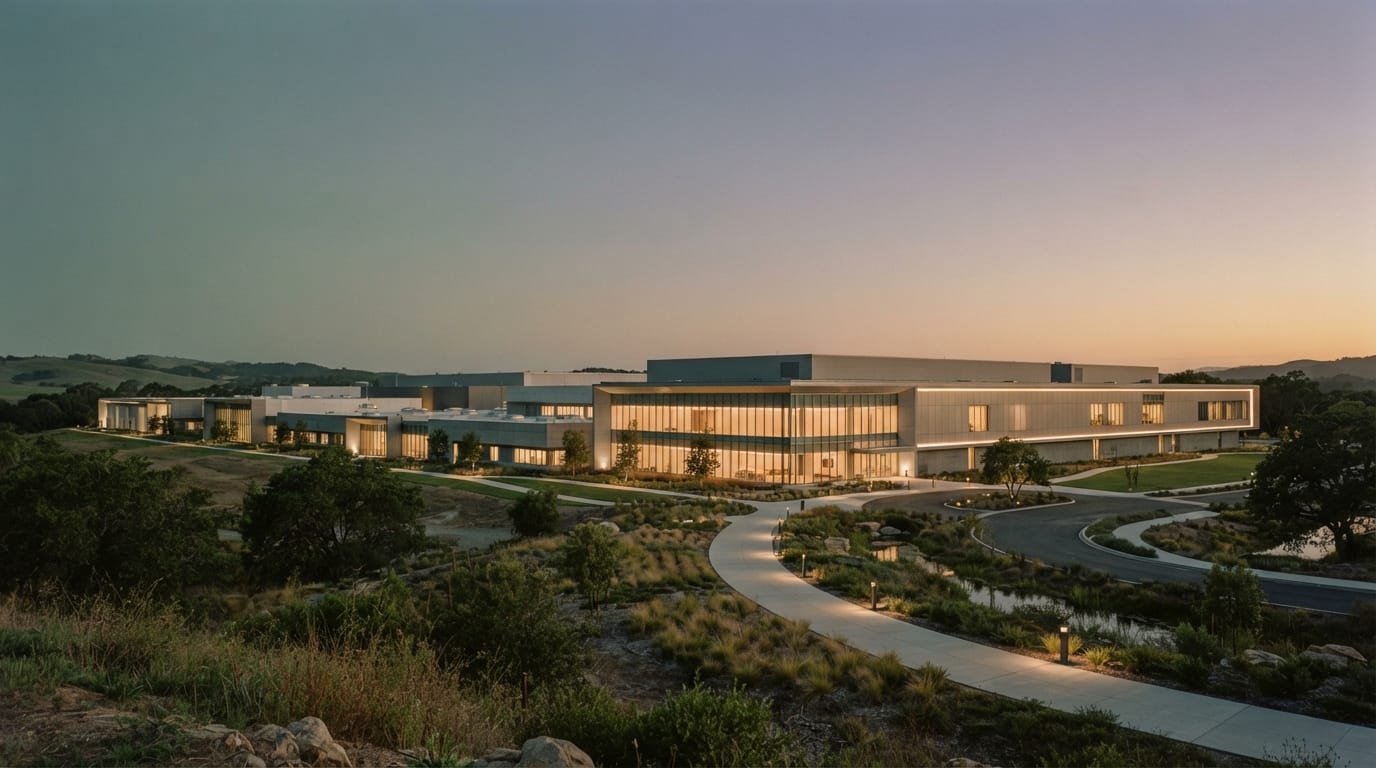
Semiconductor fabs hold contamination and alignment tolerances at the atomic scale, and they run 24 hours a day on rotating shifts. That matters clinically. The peer-reviewed literature on shift work is consistent: night and rotating schedules disrupt the body clock and are associated with elevated stress, sleep debt, and mood disorders — one review notes that a large share of shift workers eventually leave that work because of sleep and stress problems.
This is a precision-manufacturing culture layered on a schedule that biology fights. The result shows in one number in particular.
Sources: Shift work and mood (PMC).
The interior a fab can’t measure

Among the 23 cities in this series, Chandler’s modeled insufficient-sleep estimate is one of the higher ones — a real signal in a city organized around round-the-clock precision work. Its loneliness and support numbers sit in the middle of the group; depression and distress are close to the regional norm. The strain here is quieter than a crisis and shows first in sleep.
A yield-optimization mindset can catch a defect anywhere in a wafer and still miss the process variable that doesn’t show up on any dashboard — the interior of the person running the line. That reading takes a clinician.
Sources: CDC PLACES, 2025 release.
Some variables need a clinician
The engineer’s instinct is to A/B-test the problem — new supplement, new routine, tighter sleep hygiene — and measure the result. That works for many things and stops working for a clinical mood or an anxiety being fed by shift work and self-monitoring. Some variables need a clinician who reads the whole picture, not another self-experiment.
That reading — labs, history, and symptoms together — is the step the optimization stack leaves out.
Bring the panel

If you track everything and the sleep and mood still won’t come right, the missing step is a clinician who takes your data and your history seriously and tells you plainly what to treat.
That is the work here: dual-trained in psychiatry and primary care, after 19 years reading lab values in intensive care. The Gilbert office is a short drive across the Valley, and telehealth covers all of Arizona. Bring your panel.
If you already have the labs, this is the part nobody does
A lot of people in Chandler arrive with data — a full panel, a dashboard, a subscription that flagged three markers orange — and no one who will sit down and read it against how they actually feel. That reading is the work. I trained in psychiatry first, then went back and trained in adult-gerontology primary care, after 19 years in intensive care units at USC, Cedars-Sinai, and NewYork-Presbyterian, where the labs were never optional. Bring the panel. We will go through it, decide what matters, treat what should be treated, and let the rest go.
In-person in Gilbert and telehealth across Arizona. Mental health is not only psychiatry — sometimes it is a body that has not been properly investigated, and telling those apart is the whole job.
What happens next
- 1. A free 15-minute call to see whether this is the right fit — no commitment, real availability on the calendar.
- 2. Bring whatever labs you already have — a full panel, a dashboard, or nothing yet. We start from where you are.
- 3. We read it together, decide what matters, and build the plan from there. Most new patients are seen within days.
Horizon Peak Health is verified on Psychology Today.
Bring your panel. Let's read it together.
Start with a free 15-minute call to see if we're a fit — in-person in gilbert and telehealth across arizona. Most new patients are seen within days.
This page is education, not crisis care. If you are in danger right now, call 911, or call or text 988 for the Suicide & Crisis Lifeline, any hour.