City Minds — Culver City, California
The Culver City Mind
The town that made The Wizard of Oz and Gone with the Wind, now home to the studios building the world’s feeds — and reporting a real connection gap of its own.

The short version
Culver City is "The Heart of Screenland" — MGM’s old home, where both The Wizard of Oz and Gone with the Wind were made in 1939. The dream factory is now the streaming factory: Amazon, Apple, Sony, TikTok, with an Erewhon anchoring downtown.
The industry that sells emotion carries a measured mental-health cost, and the city’s loneliness estimate runs high. The people building the world’s feeds report a connection gap of their own.
That reading needs a clinician, not a cold plunge. Dual-trained in psychiatry and primary care, 19 years reading labs in intensive care. Bring your panel. Telehealth across California.
Culver City, by the numbers
Each bar shows where Culver City lands among the 23 California and Arizona cities in this series. The vertical tick is the group median; the dot is Culver City. These are CDC model-based estimates for adults, not head counts.
- Depression
- 19.1%
- Frequent mental distress
- 13.8%
- Loneliness
- 36.9%
- Lacking social & emotional support
- 26.0%
- Insufficient sleep
- 32.3%
- Binge drinking
- 16.1%
adults ever told they have a depressive disorder
14+ days of poor mental health in the past month
adults who report feeling lonely
adults who lack the social and emotional support they need
adults sleeping less than 7 hours a night
adults reporting binge drinking in the past 30 days
Source: CDC PLACES, 2025 release (model-based estimates). Figures are small-area modeled estimates for adults aged 18+, retrieved 2026-07-03. The 23-city median is calculated across the cities in this series, not a national benchmark.
Reading numbers like these against how you actually feel — that’s the appointment. Telehealth across California.
The town that manufactured America’s dreams
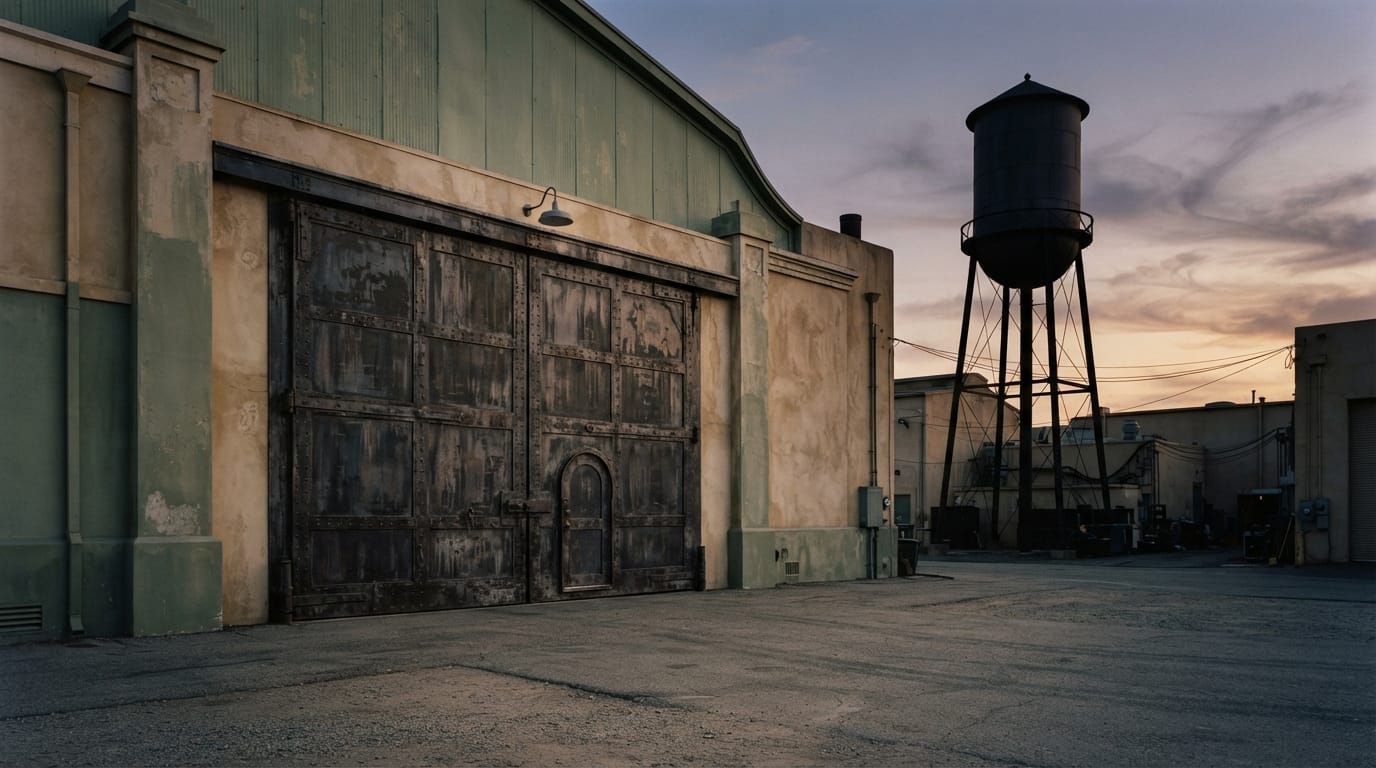
Culver City’s official motto, on its city seal, is "The Heart of Screenland." MGM was headquartered here from 1924 to 1986; in a single year, 1939, both The Wizard of Oz and Gone with the Wind were filmed on its lots. The town literally manufactured the country’s dreams.
The dream factory became the streaming factory on the same ground: the Gone with the Wind lot is now Amazon Studios; the MGM lot is Sony; Apple and TikTok have moved in. And the anchor of the new downtown is an Erewhon next to a yoga studio. The optimizing has never stopped — only its object has changed.
Sources: Culver Studios (Wikipedia),The Wizard of Oz — Culver City locations.
The industry that sells emotion
Culver City’s economy runs on media and tech — the businesses of attention and emotion. That is not a neutral line of work. A 2025 study in JAMA Network Open found that arts, design, entertainment, sports, and media occupations carried an adjusted prevalence of frequent mental distress about 1.32 times the reference group.
This is a highly educated, well-paid, data-fluent population — the median household income is around $117,000 and roughly 62% hold a bachelor’s degree. A population primed to measure things, working in the one industry whose product is feeling.
Isolation in the most connected town

Among the 23 cities in this series, Culver City’s modeled loneliness estimate runs high, with roughly a quarter of adults reporting a lack of social and emotional support. The people building the platforms that connect everyone else carry a real connection gap of their own.
The optimizing town has metrics it isn’t fixing — and the ones it’s missing aren’t on a wearable. Loneliness and mood are the readings that need a clinician, not another cold plunge.
Sources: CDC PLACES, 2025 release.
The 2 a.m. loop
The downtown that anchors on an Erewhon and a yoga studio will sell you every optimization on the shelf. What it structurally cannot provide is the person who reads your labs, your history, and your symptoms together and tells you which signal matters.
That reading is the missing layer — the diagnostic step the wellness stack was never designed to include.
Bring the panel

If you already track everything and the picture still isn’t clear, the missing step is interpretation — a clinician who takes your data and your history seriously in the same room.
That is the work here: dual-trained in psychiatry and primary care, after 19 years reading lab values in intensive care. Bring your panel. Telehealth across California.
If you already have the labs, this is the part nobody does
A lot of people in Culver City arrive with data — a full panel, a dashboard, a subscription that flagged three markers orange — and no one who will sit down and read it against how they actually feel. That reading is the work. I trained in psychiatry first, then went back and trained in adult-gerontology primary care, after 19 years in intensive care units at USC, Cedars-Sinai, and NewYork-Presbyterian, where the labs were never optional. Bring the panel. We will go through it, decide what matters, treat what should be treated, and let the rest go.
Telehealth across California. Mental health is not only psychiatry — sometimes it is a body that has not been properly investigated, and telling those apart is the whole job.
What happens next
- 1. A free 15-minute call to see whether this is the right fit — no commitment, real availability on the calendar.
- 2. Bring whatever labs you already have — a full panel, a dashboard, or nothing yet. We start from where you are.
- 3. We read it together, decide what matters, and build the plan from there. Most new patients are seen within days.
Horizon Peak Health is verified on Psychology Today.
Bring your panel. Let's read it together.
Start with a free 15-minute call to see if we're a fit — telehealth across california. Most new patients are seen within days.
This page is education, not crisis care. If you are in danger right now, call 911, or call or text 988 for the Suicide & Crisis Lifeline, any hour.