City Minds — Irvine, California
The Irvine Mind
The most planned, safest city on this list — with a real gap in support and sleep behind the perfect grid, in a culture where the highest-functioning are the least likely to ask for help.

The short version
Irvine is one of the largest master-planned cities in America — 277 parks, 500,000 trees, ranked the safest big city for 18 straight years. It’s also an Asian-plurality, 71%-bachelor’s, immigrant-achievement city.
The research on that population is clear: high stigma, low use of care, need underestimated. And behind the grid, the data shows a high support gap and poor sleep. Order is not ease.
A diagnostic read is what stigma can’t argue with. Dual-trained in psychiatry and primary care, 19 years reading labs in intensive care. Bring your panel. Telehealth across California.
Irvine, by the numbers
Each bar shows where Irvine lands among the 23 California and Arizona cities in this series. The vertical tick is the group median; the dot is Irvine. These are CDC model-based estimates for adults, not head counts.
- Depression
- 18.4%
- Frequent mental distress
- 15.4%
- Loneliness
- 35.2%
- Lacking social & emotional support
- 27.4%
- Insufficient sleep
- 34.3%
- Binge drinking
- 15.2%
adults ever told they have a depressive disorder
14+ days of poor mental health in the past month
adults who report feeling lonely
adults who lack the social and emotional support they need
adults sleeping less than 7 hours a night
adults reporting binge drinking in the past 30 days
Source: CDC PLACES, 2025 release (model-based estimates). Figures are small-area modeled estimates for adults aged 18+, retrieved 2026-07-03. The 23-city median is calculated across the cities in this series, not a national benchmark.
Reading numbers like these against how you actually feel — that’s the appointment. Telehealth across California.
The most planned city in the set
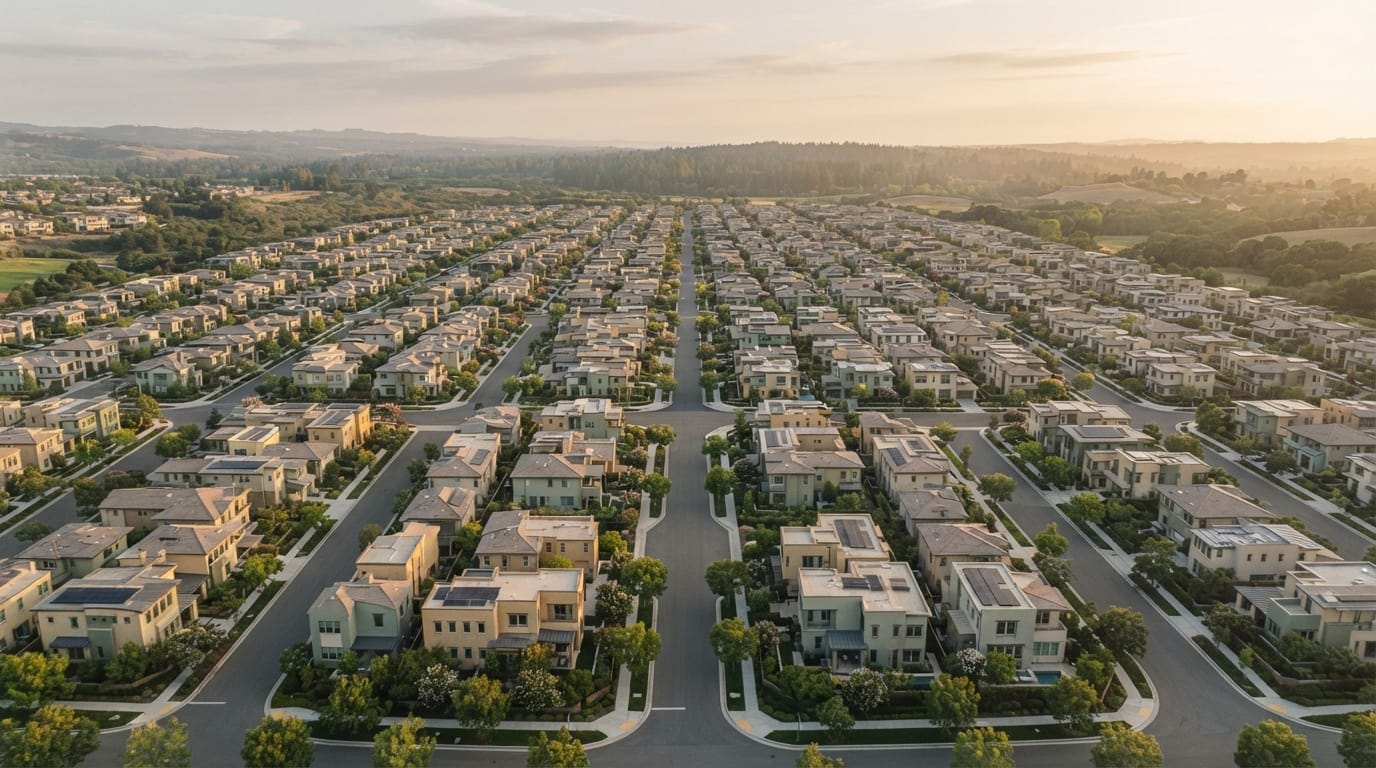
Irvine is one of the largest fully master-planned cities in the United States, laid out from the late 1950s by architect William Pereira on a single family’s 110,000-acre ranch, organized into villages radiating from UC Irvine. The order is literal and inventoried: by its 50th anniversary the city counted 277 parks and more than 500,000 trees. It has been ranked America’s safest big city for 18 consecutive years.
Everything here is engineered for safety and achievement. That is a real accomplishment — and the data shows where the engineering stops.
Sources: Irvine master plan history,Irvine safest big city (ABC7).
High-functioning is not low-need

Irvine is roughly 45% Asian-American and over 40% foreign-born, with about 71% of adults holding a bachelor’s degree — an immigrant-achievement culture at its most concentrated. The peer-reviewed literature on this population is direct: high stigma, high stakes, and low use of mental-health services, with one study finding only about 17% of Asian Americans experiencing problems sought care.
The "model minority" frame causes real need to be underestimated — by others and by the people carrying it. High-functioning is not the same as low-need, and an objective diagnostic read is exactly what stigma can’t argue with.
Sources: Model Minority at Risk (PMC).
Order is not ease

Behind the safest, most orderly city on this list, the data has a seam. Irvine’s modeled estimate for lacking social and emotional support runs high — among the higher of the 23 cities — and its insufficient-sleep estimate is elevated too. The grid optimizes for safety and achievement; it does not optimize for rest or connection, and those are the readings that come up short.
Even UC Irvine’s own research points here: work from its faculty finds that relentless attention-switching correlates with measurable physiological stress. Order has a cost, and it shows in the numbers the master plan couldn’t design away.
Sources: CDC PLACES, 2025 release.
The 2 a.m. loop
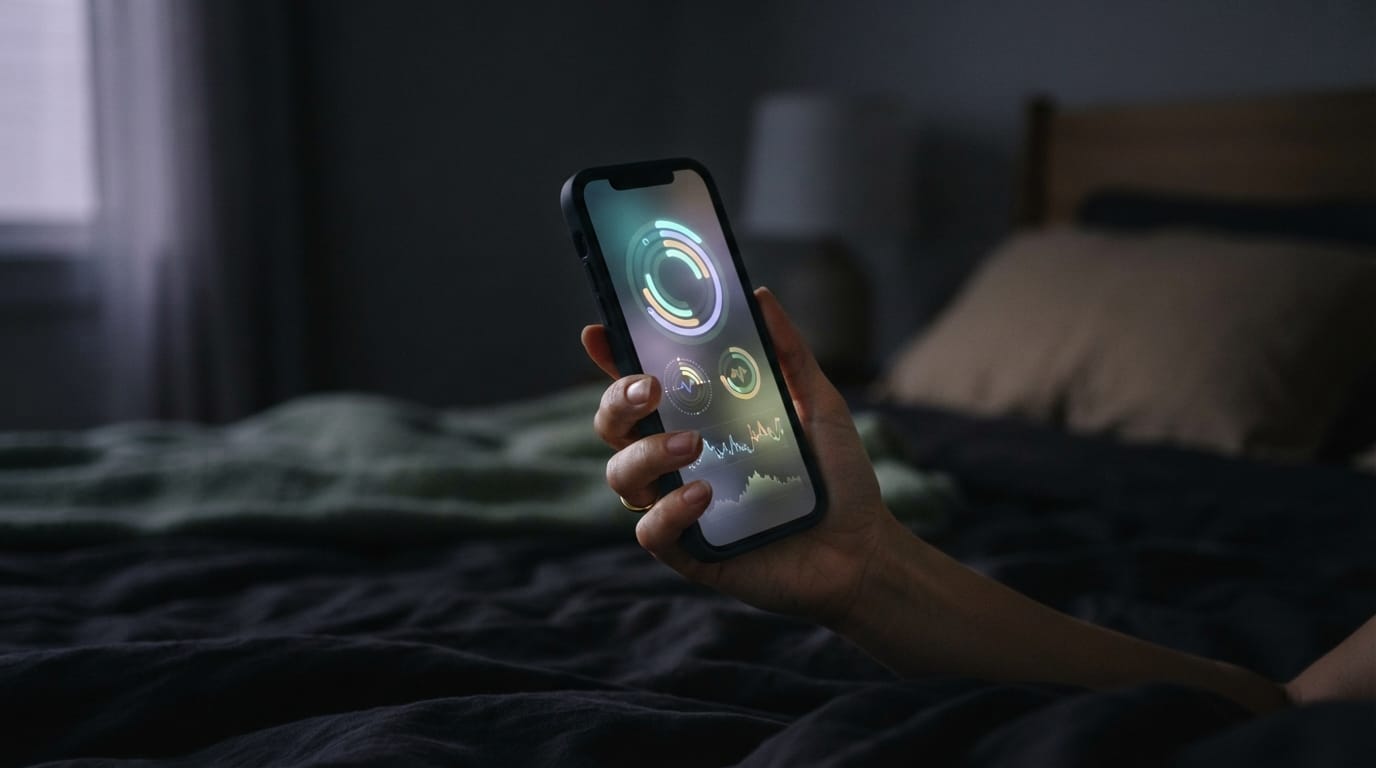
In a culture organized around visible achievement and low disclosure, the instinct is to manage a low mood privately — more effort, more tracking, no one told. That instinct is exactly what keeps treatable problems untreated. The self-tracking loop feels productive and requires admitting nothing.
The interruption is a diagnostic read that stigma can’t override: labs, history, and symptoms, interpreted together, with no performance required.
Bring the panel

High-functioning is not low-need, and a safe, orderly life doesn’t make symptoms disappear. If you have been managing quietly, the missing step is a clinician who takes your data and history seriously and tells you plainly what to treat.
That is the work here: dual-trained in psychiatry and primary care, after 19 years reading lab values in intensive care. Bring your panel. Telehealth across California.
If you already have the labs, this is the part nobody does
A lot of people in Irvine arrive with data — a full panel, a dashboard, a subscription that flagged three markers orange — and no one who will sit down and read it against how they actually feel. That reading is the work. I trained in psychiatry first, then went back and trained in adult-gerontology primary care, after 19 years in intensive care units at USC, Cedars-Sinai, and NewYork-Presbyterian, where the labs were never optional. Bring the panel. We will go through it, decide what matters, treat what should be treated, and let the rest go.
Telehealth across California. Mental health is not only psychiatry — sometimes it is a body that has not been properly investigated, and telling those apart is the whole job.
What happens next
- 1. A free 15-minute call to see whether this is the right fit — no commitment, real availability on the calendar.
- 2. Bring whatever labs you already have — a full panel, a dashboard, or nothing yet. We start from where you are.
- 3. We read it together, decide what matters, and build the plan from there. Most new patients are seen within days.
Horizon Peak Health is verified on Psychology Today.
Bring your panel. Let's read it together.
Start with a free 15-minute call to see if we're a fit — telehealth across california. Most new patients are seen within days.
This page is education, not crisis care. If you are in danger right now, call 911, or call or text 988 for the Suicide & Crisis Lifeline, any hour.