City Minds — Menlo Park, California
The Menlo Park Mind
The town where the internet said its first word, and where the self-tracking economy is funded. Its residents sleep better than any city on this list — and still report being lonely.

The short version
Menlo Park has repeatedly been the origin point of the future: the first internet message, the mouse, the first venture-capital office on Sand Hill Road, Meta’s headquarters. It even funds the biomarker services its residents use.
It has the best sleep in the 23-city series — and still reports meaningful loneliness. The wellness proxy everyone optimizes can look perfect while mood and connection go unaddressed.
More data isn’t the missing input; interpretation is. Dual-trained in psychiatry and primary care, 19 years reading labs in intensive care. Bring your panel. Telehealth across California.
Menlo Park, by the numbers
Each bar shows where Menlo Park lands among the 23 California and Arizona cities in this series. The vertical tick is the group median; the dot is Menlo Park. These are CDC model-based estimates for adults, not head counts.
- Depression
- 20.1%
- Frequent mental distress
- 13.1%
- Loneliness
- 32.8%
- Lacking social & emotional support
- 22.6%
- Insufficient sleep
- 26.3%
- Binge drinking
- 17.1%
adults ever told they have a depressive disorder
14+ days of poor mental health in the past month
adults who report feeling lonely
adults who lack the social and emotional support they need
adults sleeping less than 7 hours a night
adults reporting binge drinking in the past 30 days
Source: CDC PLACES, 2025 release (model-based estimates). Figures are small-area modeled estimates for adults aged 18+, retrieved 2026-07-03. The 23-city median is calculated across the cities in this series, not a national benchmark.
Reading numbers like these against how you actually feel — that’s the appointment. Telehealth across California.
Where the internet said its first word
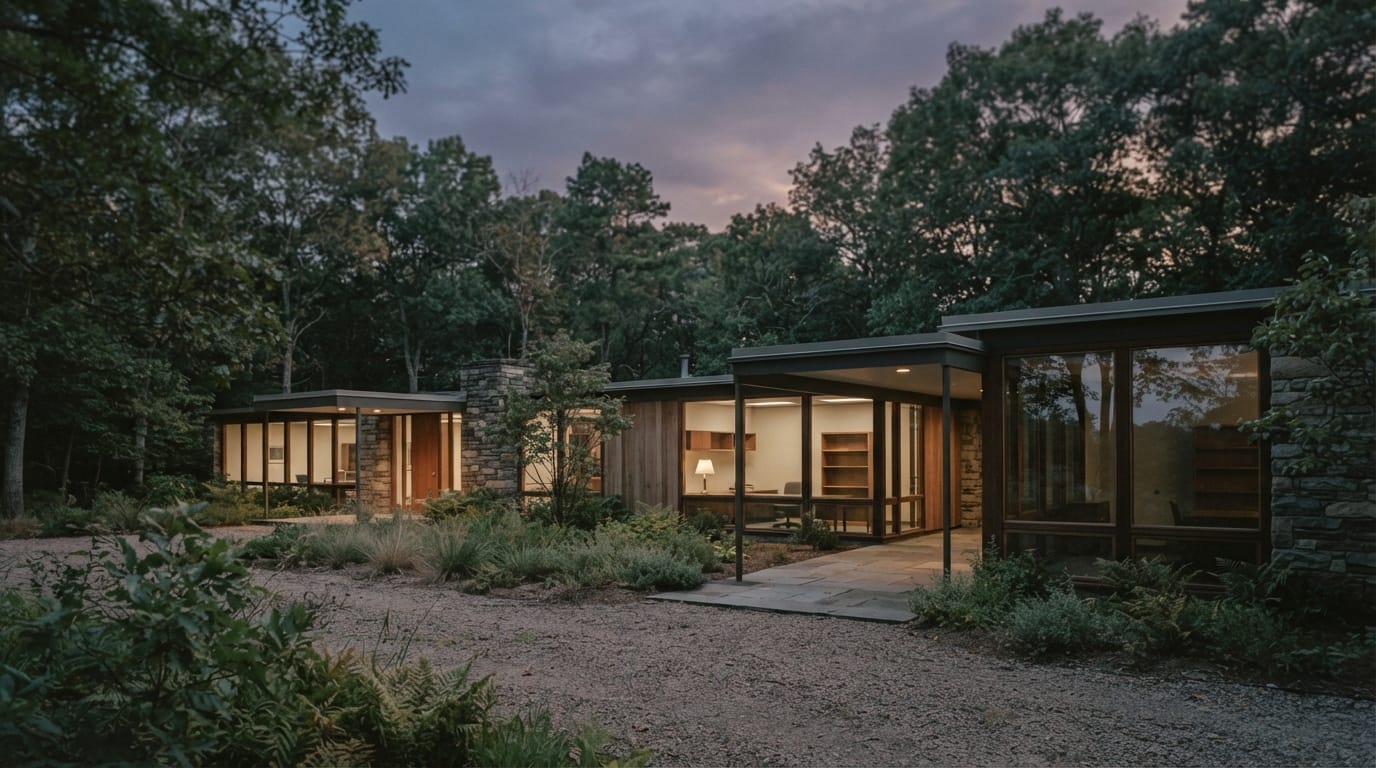
On October 29, 1969, a UCLA researcher tried to type "LOGIN" to a machine at SRI in Menlo Park. The system crashed after two letters, so the first thing ever sent across what became the internet was "lo." A year earlier, SRI’s "Mother of All Demos" here had shown the world the computer mouse and the graphical desktop. In 1972, Kleiner Perkins opened one of the first venture-capital offices on Sand Hill Road.
Menlo Park is a small city that has repeatedly been the physical origin point of the future. Meta’s headquarters sits at 1 Hacker Way. The instinct to build and to fund what comes next is the local water.
Sources: Computer History Museum — ARPANET,Sand Hill Road (Wikipedia).
The town that funds the optimization
Here is a detail a data-literate reader will appreciate: the biomarker-testing service so many optimizers use is itself a Sand Hill Road product — Function Health is backed by Menlo Ventures and others, recently valued in the billions. The town does not just adopt the optimization economy; it capitalizes it.
Median household income runs around $210,000, and roughly three in four adults hold a bachelor’s degree. This is the population that both builds the self-tracking tools and uses them first — which makes the gap between what they measure and what gets treated especially sharp.
Sources: Function Health (Wikipedia),Census Reporter — Menlo Park.
They sleep well and still feel alone

Menlo Park has the lowest insufficient-sleep estimate of the 23 cities in this series — its residents sleep better than any of their peers on this list. If sleep were the whole story of wellbeing, this would be the healthiest town here.
And yet its modeled loneliness estimate runs near the middle-to-high of the group, and roughly one in five report lacking social and emotional support. That decoupling is the point: the wellness proxy everyone optimizes — sleep — can look excellent while the outcomes that actually matter, mood and connection, sit untouched. Optimization is not the same as being well.
Sources: CDC PLACES, 2025 release.
The 2 a.m. loop
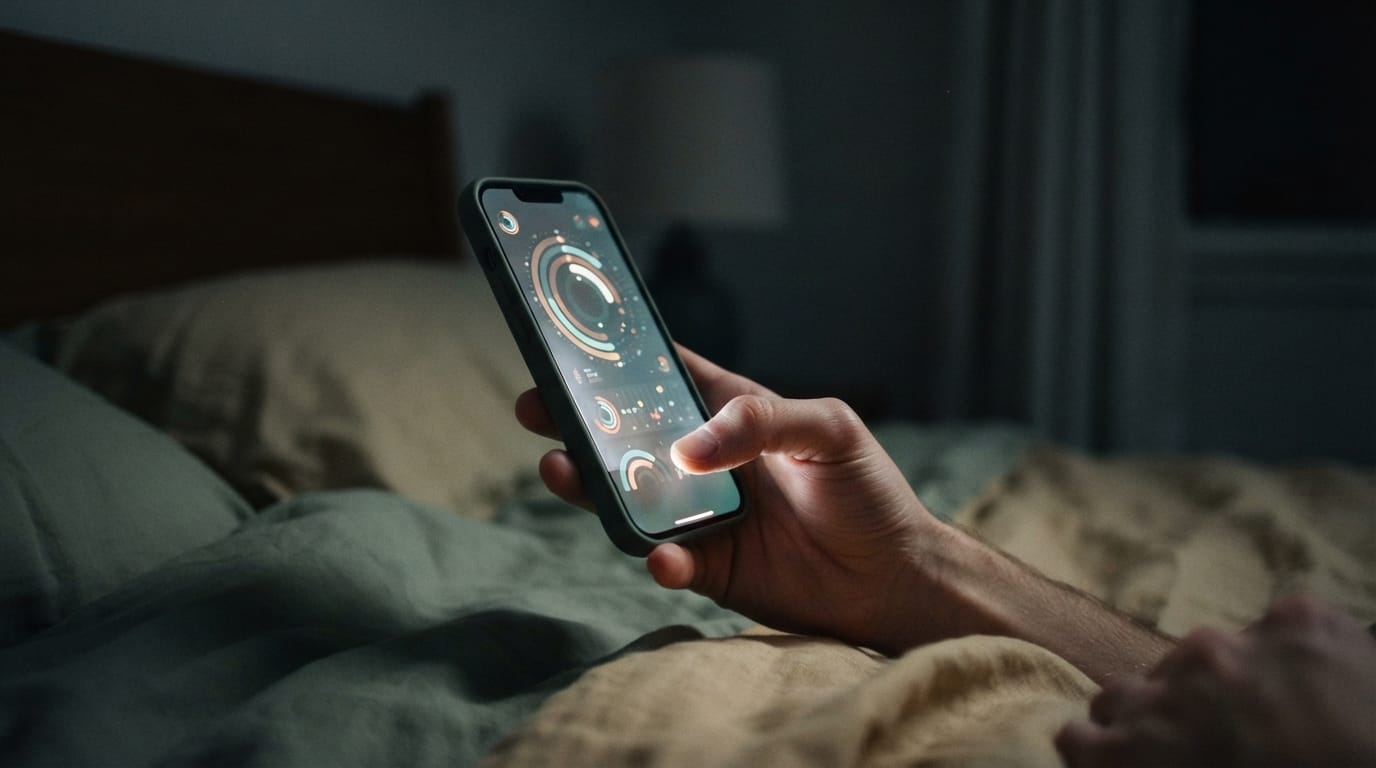
The self-tracking loop runs the same here as everywhere the optimizer lives: a metric flags, a search begins, a supplement follows, a retest is scheduled — and no one in the chain is positioned to say which reading matters and which is noise. A green sleep score is reassuring and tells you nothing about whether your mood, your focus, or your motivation are where they should be.
More measurement is not the missing input. A clinician who reads what you already have against how you actually feel is.
Bring the panel

You have the data, and probably the best sleep on this list. What may be missing is someone who will interpret the whole picture — labs, history, symptoms — and tell you what to treat and what to let go.
That is the work here: dual-trained in psychiatry and primary care, after 19 years reading lab values in intensive care. Bring your panel. Telehealth across California.
If you already have the labs, this is the part nobody does
A lot of people in Menlo Park arrive with data — a full panel, a dashboard, a subscription that flagged three markers orange — and no one who will sit down and read it against how they actually feel. That reading is the work. I trained in psychiatry first, then went back and trained in adult-gerontology primary care, after 19 years in intensive care units at USC, Cedars-Sinai, and NewYork-Presbyterian, where the labs were never optional. Bring the panel. We will go through it, decide what matters, treat what should be treated, and let the rest go.
Telehealth across California. Mental health is not only psychiatry — sometimes it is a body that has not been properly investigated, and telling those apart is the whole job.
What happens next
- 1. A free 15-minute call to see whether this is the right fit — no commitment, real availability on the calendar.
- 2. Bring whatever labs you already have — a full panel, a dashboard, or nothing yet. We start from where you are.
- 3. We read it together, decide what matters, and build the plan from there. Most new patients are seen within days.
Horizon Peak Health is verified on Psychology Today.
Bring your panel. Let's read it together.
Start with a free 15-minute call to see if we're a fit — telehealth across california. Most new patients are seen within days.
This page is education, not crisis care. If you are in danger right now, call 911, or call or text 988 for the Suicide & Crisis Lifeline, any hour.