City Minds — Newport Beach, California
The Newport Beach Mind
A manufactured paradise — the harbor, the islands, the wealth all engineered — with the protective factors firmly in place, and a real depression load anyway.

The short version
Newport Beach is a manufactured paradise — dredged harbor, eight artificial islands, a wealth-management capital where PIMCO manages trillions. Its loneliness and support-gap estimates are among the lowest on this list.
And its depression estimate sits right in the middle anyway. Wealth and connection are real buffers, but they are not vaccines — and depression here is not primarily a connection problem.
This is a population that already runs its own biomarkers; the mind deserves the same read. Dual-trained in psychiatry and primary care, 19 years reading labs in intensive care. Bring your panel. Telehealth across California.
Newport Beach, by the numbers
Each bar shows where Newport Beach lands among the 23 California and Arizona cities in this series. The vertical tick is the group median; the dot is Newport Beach. These are CDC model-based estimates for adults, not head counts.
- Depression
- 20.7%
- Frequent mental distress
- 14.3%
- Loneliness
- 30.4%
- Lacking social & emotional support
- 21.1%
- Insufficient sleep
- 30.0%
- Binge drinking
- 16.2%
adults ever told they have a depressive disorder
14+ days of poor mental health in the past month
adults who report feeling lonely
adults who lack the social and emotional support they need
adults sleeping less than 7 hours a night
adults reporting binge drinking in the past 30 days
Source: CDC PLACES, 2025 release (model-based estimates). Figures are small-area modeled estimates for adults aged 18+, retrieved 2026-07-03. The 23-city median is calculated across the cities in this series, not a national benchmark.
Reading numbers like these against how you actually feel — that’s the appointment. Telehealth across California.
Engineered abundance

Newport Beach is a manufactured paradise, in the most literal sense. The harbor was dredged into shape in the early 1900s and eight artificial residential islands were built in it. The 1906 Balboa Pavilion was raised expressly to lure buyers to "swamp and overflow" land, and it worked. Today the harbor holds roughly 9,000 boats, and the town is a wealth-management capital — PIMCO, which manages trillions, is headquartered here.
A city that engineered the good life this thoroughly still cannot engineer immunity from the one thing that follows people everywhere.
Sources: Balboa Pavilion (Wikipedia),PIMCO (Wikipedia).
Well-connected and well-off

Newport Beach scores low on the two measures public-health messaging says protect you most: its modeled estimates for loneliness and for lacking social and emotional support are both among the lowest of the 23 cities in this series. This is an older, affluent, well-networked community, and by those inputs it has done well.
The research is honest about what that buys. Wealth and connection are real buffers — but the current science on income and wellbeing finds money keeps helping the already-content and largely stops rescuing the least happy. Buffers, not vaccines.
Sources: Income and emotional well-being (PNAS).
Wealth and community are buffers, not vaccines

And yet, sitting beside those low loneliness and support numbers, Newport Beach’s modeled depression estimate is squarely in the middle of the group — roughly one in five adults. That is the instructive pairing: a town with the protective factors firmly in place still carries a real depression load.
It means depression here is not primarily a connection problem, which is why more of the good life won’t resolve it. The peer-reviewed work on affluent communities is blunt that money and status carry their own, often invisible, pressures. The averages are reassuring; the individual is not an average.
Sources: CDC PLACES, 2025 release.
The most-measured minds
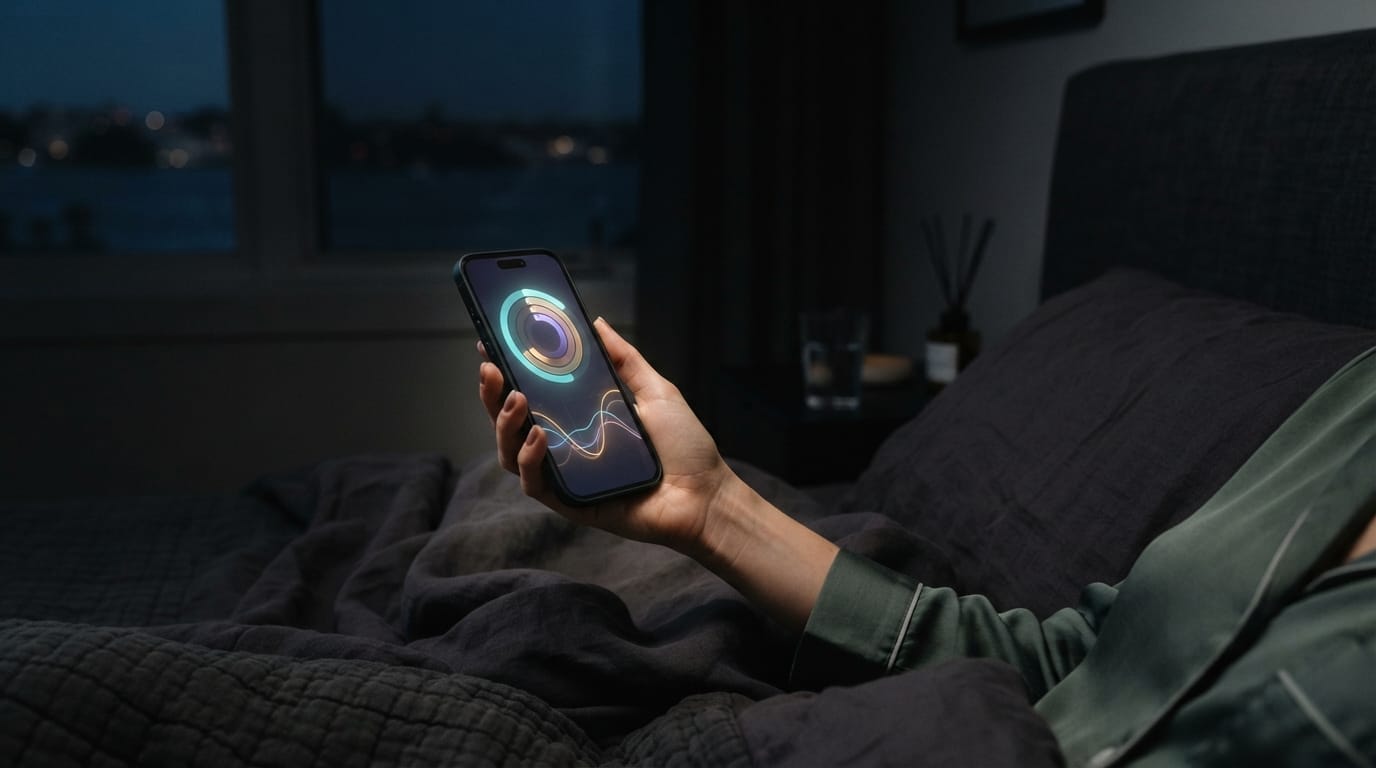
This is a population that already believes in a real read — Fashion Island has a luxury longevity clinic; residents run their own panels and biological-age markers. The one system they are typically data-rich on the body about and data-poor on is the brain.
Extending that same measurement instinct to mood, sleep, and attention is the natural next step — a psychiatric workup with the rigor you already bring to your labs.
Bring the panel

If the good life is in place and something still feels off, the missing step isn’t more of it — it’s a clinician who reads your labs, your history, and your symptoms together and tells you what to treat.
That is the work here: dual-trained in psychiatry and primary care, after 19 years reading lab values in intensive care. Bring your panel. Telehealth across California.
If you already have the labs, this is the part nobody does
A lot of people in Newport Beach arrive with data — a full panel, a dashboard, a subscription that flagged three markers orange — and no one who will sit down and read it against how they actually feel. That reading is the work. I trained in psychiatry first, then went back and trained in adult-gerontology primary care, after 19 years in intensive care units at USC, Cedars-Sinai, and NewYork-Presbyterian, where the labs were never optional. Bring the panel. We will go through it, decide what matters, treat what should be treated, and let the rest go.
Telehealth across California. Mental health is not only psychiatry — sometimes it is a body that has not been properly investigated, and telling those apart is the whole job.
What happens next
- 1. A free 15-minute call to see whether this is the right fit — no commitment, real availability on the calendar.
- 2. Bring whatever labs you already have — a full panel, a dashboard, or nothing yet. We start from where you are.
- 3. We read it together, decide what matters, and build the plan from there. Most new patients are seen within days.
Horizon Peak Health is verified on Psychology Today.
Bring your panel. Let's read it together.
Start with a free 15-minute call to see if we're a fit — telehealth across california. Most new patients are seen within days.
This page is education, not crisis care. If you are in danger right now, call 911, or call or text 988 for the Suicide & Crisis Lifeline, any hour.