City Minds — Palo Alto, California
The Palo Alto Mind
A city that has optimized everything for a hundred years. The one thing it still can't get read: its own biomarkers, against how it actually feels.

The short version
Palo Alto has been in the business of measuring things since a horse was photographed mid-gallop here in 1878. Today its residents quantify their own bodies with the same rigor — full panels, dashboards, longevity protocols.
By the standard of its peer cities, Palo Alto’s mental-health numbers are actually on the calmer end. But averages don’t book appointments. The person who has optimized everything and still feels flat needs someone to read the labs, not order more.
That is what this practice does: dual-trained in psychiatry and primary care, 19 years in intensive care reading lab values. Bring your panel. Telehealth across California.
Palo Alto, by the numbers
Each bar shows where Palo Alto lands among the 23 California and Arizona cities in this series. The vertical tick is the group median; the dot is Palo Alto. These are CDC model-based estimates for adults, not head counts.
- Depression
- 18.3%
- Frequent mental distress
- 11.9%
- Loneliness
- 34.6%
- Lacking social & emotional support
- 23.1%
- Insufficient sleep
- 27.6%
- Binge drinking
- 13.0%
adults ever told they have a depressive disorder
14+ days of poor mental health in the past month
adults who report feeling lonely
adults who lack the social and emotional support they need
adults sleeping less than 7 hours a night
adults reporting binge drinking in the past 30 days
Source: CDC PLACES, 2025 release (model-based estimates). Figures are small-area modeled estimates for adults aged 18+, retrieved 2026-07-03. The 23-city median is calculated across the cities in this series, not a national benchmark.
Reading numbers like these against how you actually feel — that’s the appointment. Telehealth across California.
A city that has been measuring things since 1878

Palo Alto is named after a coast redwood — El Palo Alto, the tall stick — that has been standing on the bank of San Francisquito Creek for roughly a thousand years. The tree is on the city seal and the Stanford seal both. It was already ancient when, in 1878, Leland Stanford paid Eadweard Muybridge to settle an argument about whether a galloping horse ever has all four hooves off the ground. Muybridge lined up cameras and proved it did. Historians call it one of the first examples of chronophotography.
That is the founding gesture of this place: take something everyone assumed they understood, and measure it until you actually know. The instinct predates the tech industry by seventy years.
Sources: El Palo Alto (Wikipedia),The Horse in Motion (Wikipedia).
The optimization lineage runs three miles deep
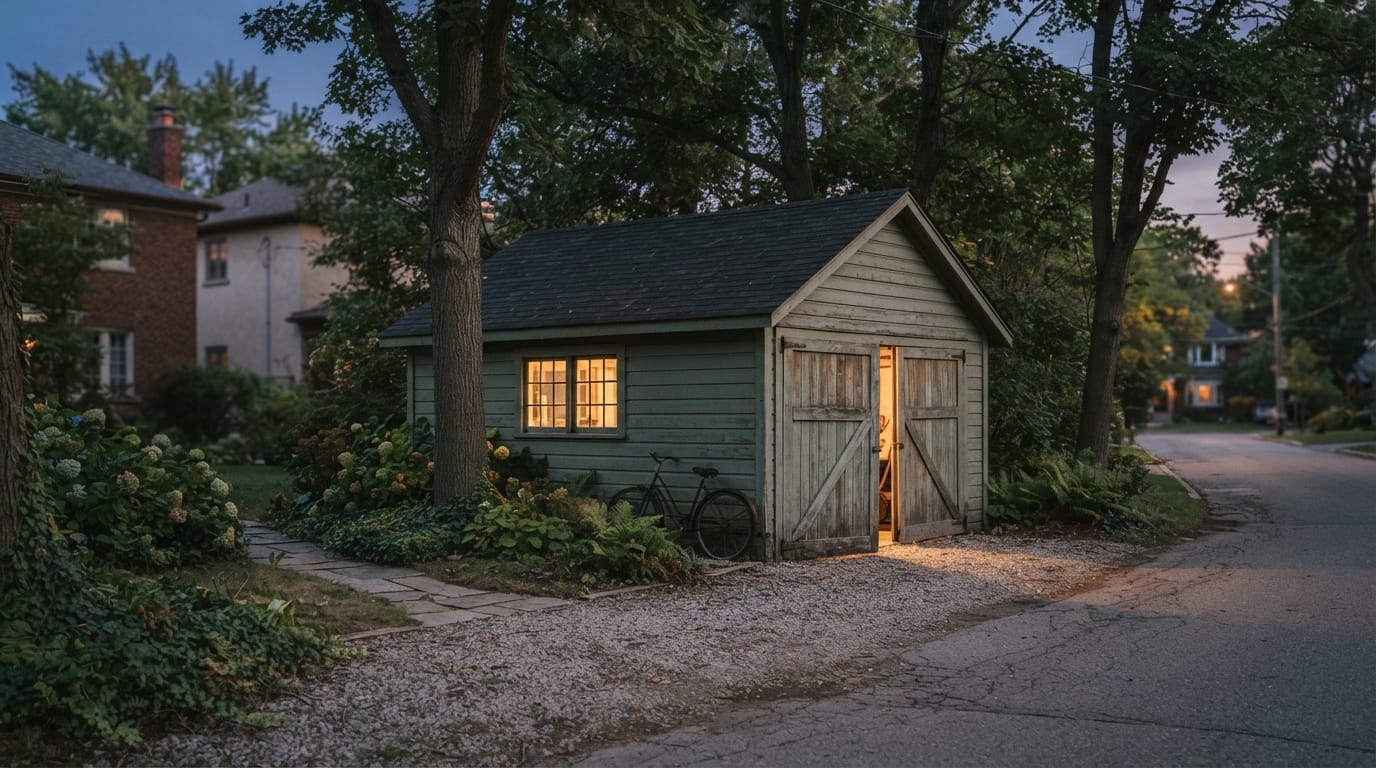
In 1939, two Stanford graduates started a company in a rented garage on Addison Avenue with $538 and a coin toss to decide whose name went first. In 1951, Stanford opened what is generally called the world’s first university research park. In 1972, Kleiner Perkins opened one of the first venture-capital offices on Sand Hill Road. Each step compressed the distance between an idea and its funding until the whole loop fit inside a few square miles.
A city organized this tightly around measurement and improvement does not switch that instinct off at the body. The same reflex that built the research park now buys the hundred-biomarker panel. Palo Alto’s median household income sits around $228,000 and more than eight in ten adults hold a bachelor’s degree — this is a population with the money, the literacy, and the temperament to quantify itself.
Sources: HP Garage (Wikipedia),Stanford Research Park (Wikipedia),Census Reporter — Palo Alto.
What the numbers actually say — and what they hide

Here is the honest read, and it is not the read a marketer would want. By the standard of the 23 affluent California and Arizona cities in this series, Palo Alto is on the calmer end. Its modeled depression estimate is below the group median. Its frequent-mental-distress estimate is near the lowest of the set. Its residents sleep better than most of their peers on this list. If you only looked at the averages, you would conclude Palo Alto is fine.
Averages do not book appointments. Individuals do. A city-wide estimate that looks reassuring tells you nothing about the specific person who has run every test, optimized every input, and still feels flat — and who, because the local numbers look good and their own labs came back "normal," has been told there is nothing to find. That gap between the calm average and the uneasy individual is exactly where this work lives.
One more tell a data-literate reader will appreciate: the standard datasets undercount this city. The Census tops out its reported median home value near $2 million, while a 2018 analysis of the 94301 ZIP put the median sale price at $3.83 million. When the instruments can’t capture the extremes, the extremes are where you have to look manually.
Sources: CDC PLACES, 2025 release,Bloomberg/Patch — 94301 ranking.
The 2 a.m. loop
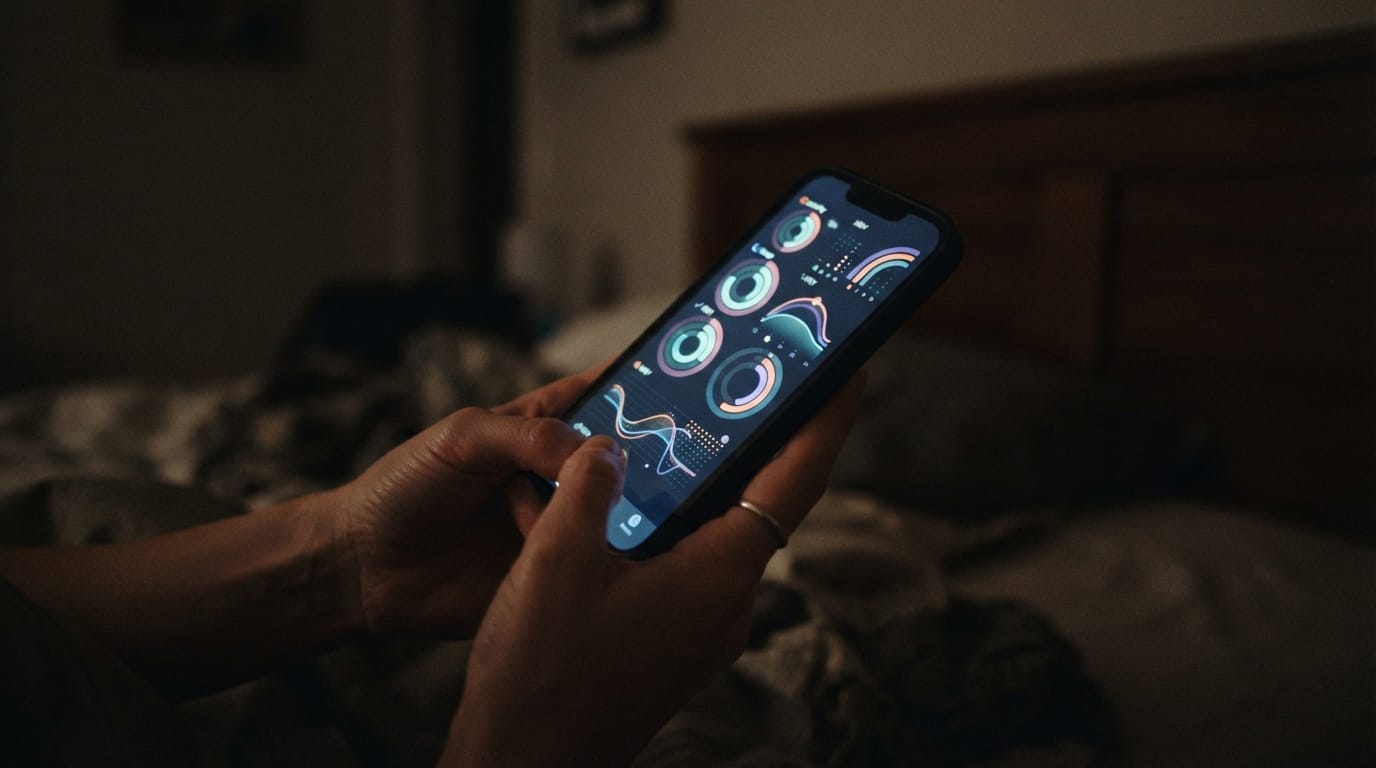
The reference biohacker for this region is a man who sold a company for hundreds of millions and now logs a daily longevity protocol in public; Scientific American recently described Silicon Valley’s longevity experimentation as a "dangerous experiment" being run without controls. That is the visible, extreme end. The quieter version is more common and just as consequential: a subscription panel flags ferritin orange at 11 p.m., which sends someone to a search engine, then a forum, then a supplement stack, then a retest — and every party in that loop profits from, or defaults to, more looking.
Nobody in that loop is positioned to say the two things that actually end it: this one matters, and here is the treatment — or, this one is noise, let it go. The checking itself often becomes part of the problem: rumination with a dashboard attached, health anxiety with a subscription. A consumer testing service can hand you a hundred numbers. It cannot tell you which three are why you feel the way you feel.
Sources: Scientific American — Silicon Valley longevity biohacking.
Before you optimize anything else

You are not wrong to take your data seriously. The problem is that no one has been willing to sit down and read it with you — against your history, your symptoms, and the medications you are or are not on. That reading is a clinical skill, and it is the one I am best at.
If you are in Palo Alto and you already have the labs, bring them. We will go through the panel, decide what is signal and what is noise, treat what should be treated, and give you permission to stop tracking the rest.
If you already have the labs, this is the part nobody does
A lot of people in Palo Alto arrive with data — a full panel, a dashboard, a subscription that flagged three markers orange — and no one who will sit down and read it against how they actually feel. That reading is the work. I trained in psychiatry first, then went back and trained in adult-gerontology primary care, after 19 years in intensive care units at USC, Cedars-Sinai, and NewYork-Presbyterian, where the labs were never optional. Bring the panel. We will go through it, decide what matters, treat what should be treated, and let the rest go.
Telehealth across California. Mental health is not only psychiatry — sometimes it is a body that has not been properly investigated, and telling those apart is the whole job.
What happens next
- 1. A free 15-minute call to see whether this is the right fit — no commitment, real availability on the calendar.
- 2. Bring whatever labs you already have — a full panel, a dashboard, or nothing yet. We start from where you are.
- 3. We read it together, decide what matters, and build the plan from there. Most new patients are seen within days.
Horizon Peak Health is verified on Psychology Today.
Bring your panel. Let's read it together.
Start with a free 15-minute call to see if we're a fit — telehealth across california. Most new patients are seen within days.
This page is education, not crisis care. If you are in danger right now, call 911, or call or text 988 for the Suicide & Crisis Lifeline, any hour.