City Minds — Paradise Valley, Arizona
The Paradise Valley Mind
The wealthiest, most private, calmest-looking town on this list — with the best mental-health numbers in the whole set, and two honest reasons the averages aren’t the end of the story.
The short version
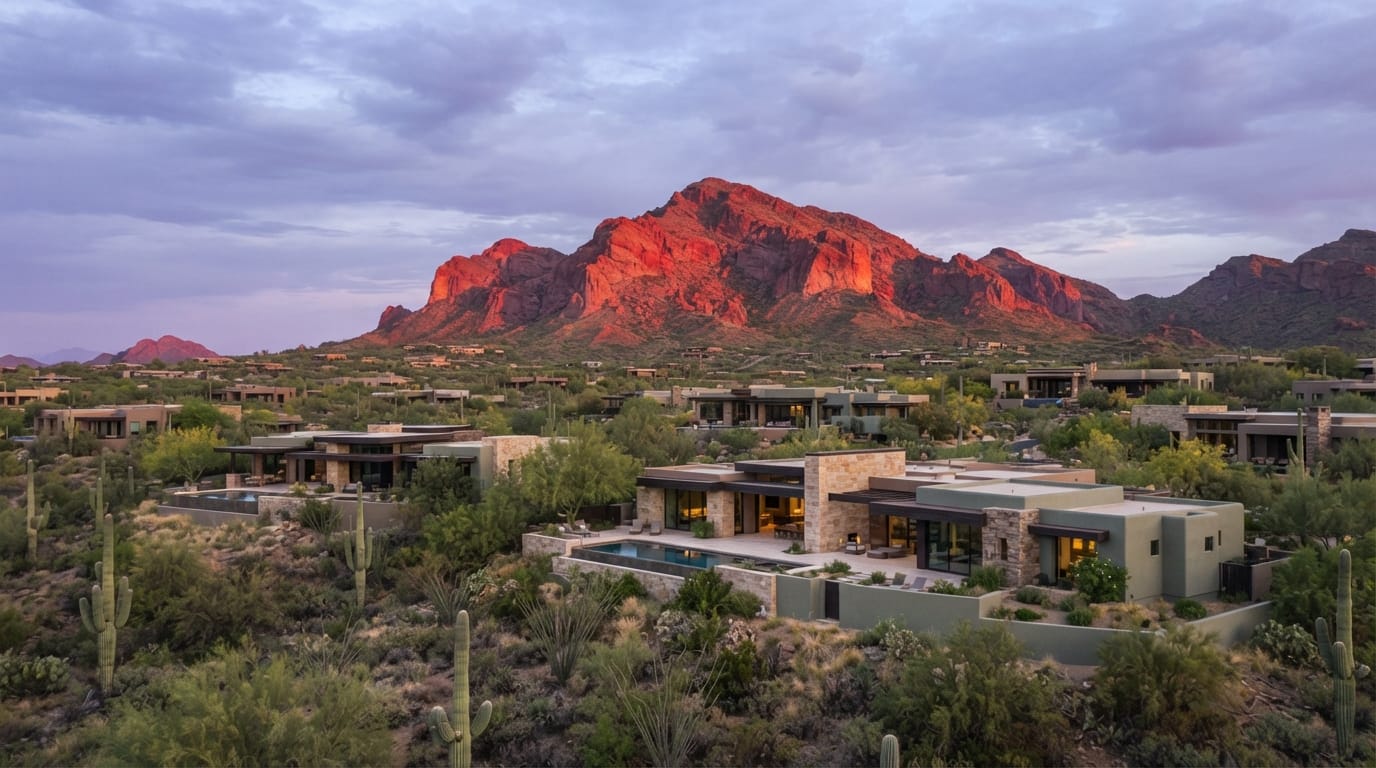
Paradise Valley incorporated in 1961 to stay private and low-density — Arizona’s wealthiest town, buffered by resorts and Camelback Mountain. It posts the lowest depression, distress, loneliness, and support-gap estimates of all 23 cities.
That’s real, reported straight. But averages hide individuals — even at the lowest rate, one in six adults still screens for depression — and in a private, self-managing population, low disclosure can look like health.
This isn’t "money fixes mental health." It’s that even the calmest town has people who feel off and deserve a real reading. Dual-trained in psychiatry and primary care, 19 years reading labs in intensive care. In-person in Gilbert and telehealth across Arizona.
Paradise Valley, by the numbers
Each bar shows where Paradise Valley lands among the 23 California and Arizona cities in this series. The vertical tick is the group median; the dot is Paradise Valley. These are CDC model-based estimates for adults, not head counts.
- Depression
- 16.6%
- Frequent mental distress
- 10.4%
- Loneliness
- 25.9%
- Lacking social & emotional support
- 18.4%
- Insufficient sleep
- 28.4%
- Binge drinking
- 13.7%
adults ever told they have a depressive disorder
14+ days of poor mental health in the past month
adults who report feeling lonely
adults who lack the social and emotional support they need
adults sleeping less than 7 hours a night
adults reporting binge drinking in the past 30 days
Source: CDC PLACES, 2025 release (model-based estimates). Figures are small-area modeled estimates for adults aged 18+, retrieved 2026-07-03. The 23-city median is calculated across the cities in this series, not a national benchmark.
Reading numbers like these against how you actually feel — that’s the appointment. In-person in Gilbert and telehealth across Arizona.
Privacy, by design
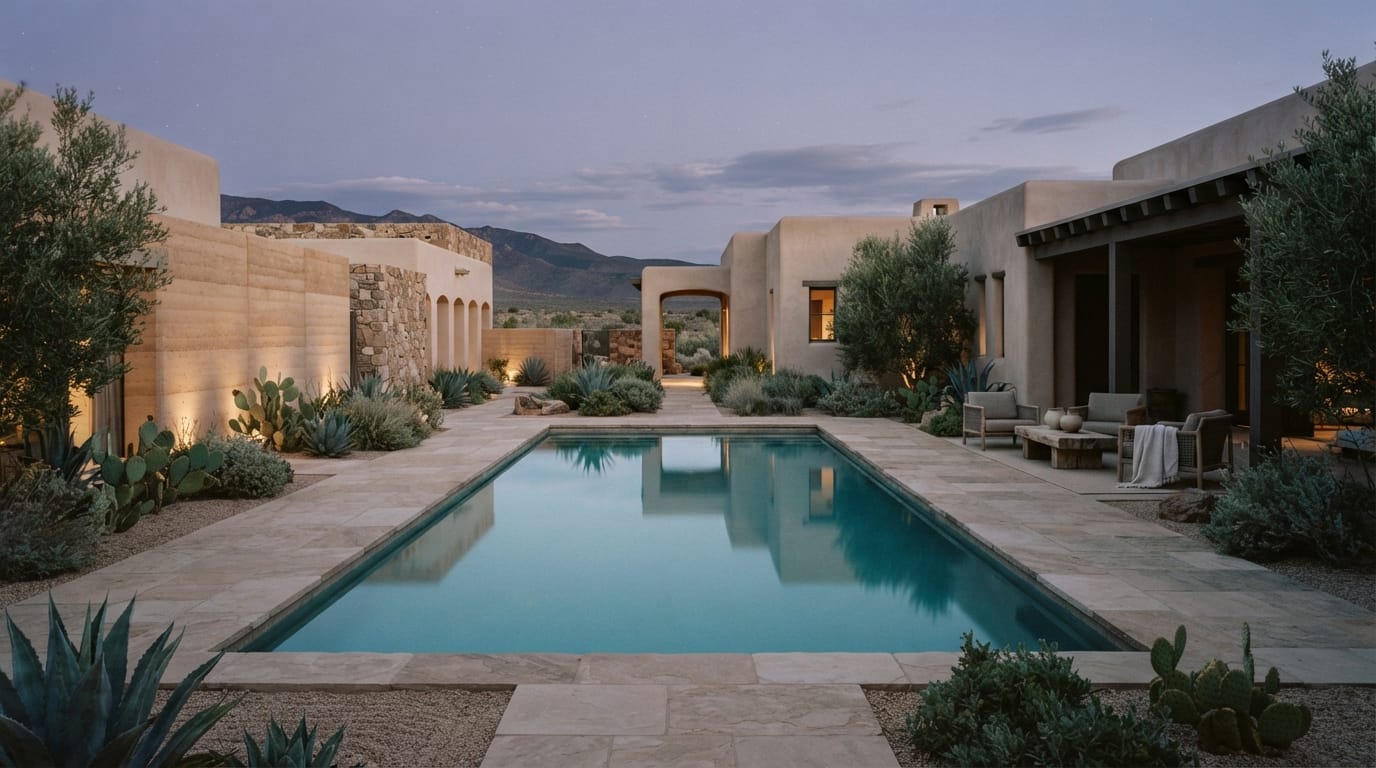
Paradise Valley incorporated in 1961 for a single, explicit reason: to stay low-density and residential — one house per acre, no commercial core, minimal government — so it wouldn’t be absorbed by Phoenix or Scottsdale. That founding logic still defines it: about 820 people per square mile, gated estates buffered by nine luxury resorts and Camelback Mountain. It is the wealthiest municipality in Arizona and one of the wealthiest suburbs in the country, with a median age near 56.
This is the most private, most affluent, calmest-looking place on the list. And it deserves the most careful reading of all.
Sources: Town of Paradise Valley — history,Richest places in Arizona (Forbes).
The best numbers in the whole set
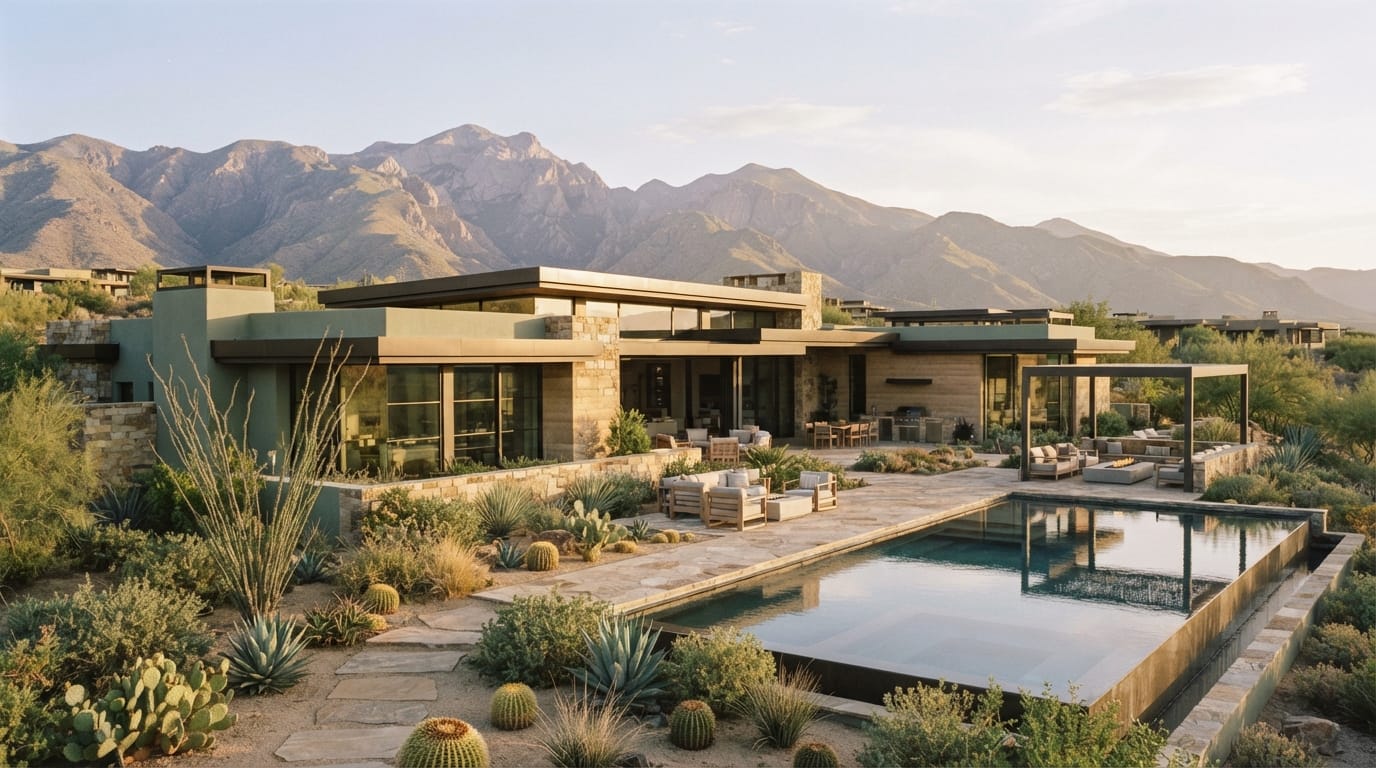
The data here is worth reporting straight, without spin. Among the 23 cities in this series, Paradise Valley carries the lowest modeled estimates for depression, for frequent mental distress, for loneliness, and for lacking social and emotional support. On the surface, it is the calmest town on the list.
That is a real finding, and this page will not pretend otherwise or manufacture a crisis. But two honest caveats belong right next to those low numbers — and they are the reason averages are not the end of the story.
Sources: CDC PLACES, 2025 release.
Averages hide individuals
First: these are small-area model estimates, not a count of how people actually feel. Even at the lowest rate on the list, roughly one in six adults here still screens for depression and one in four reports loneliness. The lowest average in Arizona and thousands of individual people who feel "off" are both true at the same time.
Second: privacy can look like health. A town built around low density and discretion, in an older, self-managing, ultra-affluent population, is also a place where struggle is disclosed less. A low self-reported number can partly reflect who answers a survey and what they’re willing to say — not only how people feel. The point is not that money fixes mental health. It’s that even the calmest, wealthiest town has people who quietly feel wrong, and they deserve a real reading.
The optimizer’s town
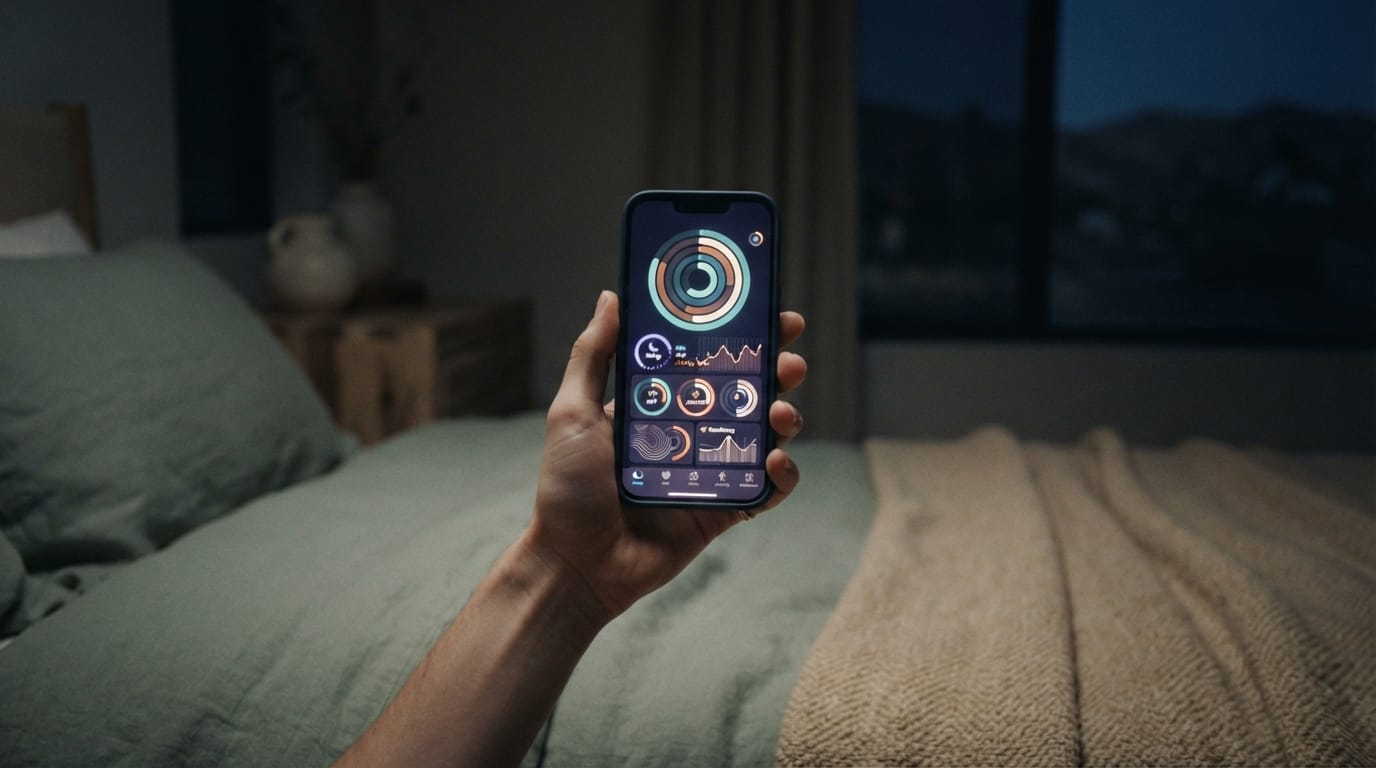
This is a biomarker-literate community — functional-medicine clinics, hormone panels, resort spas, longevity programs. Residents already believe in a real, specific reading of the body. The natural extension is to give psychiatric symptoms the same diagnostic seriousness, rather than letting a good ZIP code and a low town average quietly explain them away.
You already read your labs. Reading the mind with the same rigor is the missing step.
Bring the panel
If the town looks calm and you don’t feel it, the average isn’t the answer — a diagnosis is. The missing step is a clinician who takes your data and your history seriously and tells you plainly what is worth treating.
That is the work here: dual-trained in psychiatry and primary care, after 19 years reading lab values in intensive care. The Gilbert office is nearby, and telehealth covers all of Arizona. Bring your panel.
If you already have the labs, this is the part nobody does
A lot of people in Paradise Valley arrive with data — a full panel, a dashboard, a subscription that flagged three markers orange — and no one who will sit down and read it against how they actually feel. That reading is the work. I trained in psychiatry first, then went back and trained in adult-gerontology primary care, after 19 years in intensive care units at USC, Cedars-Sinai, and NewYork-Presbyterian, where the labs were never optional. Bring the panel. We will go through it, decide what matters, treat what should be treated, and let the rest go.
In-person in Gilbert and telehealth across Arizona. Mental health is not only psychiatry — sometimes it is a body that has not been properly investigated, and telling those apart is the whole job.
What happens next
- 1. A free 15-minute call to see whether this is the right fit — no commitment, real availability on the calendar.
- 2. Bring whatever labs you already have — a full panel, a dashboard, or nothing yet. We start from where you are.
- 3. We read it together, decide what matters, and build the plan from there. Most new patients are seen within days.
Horizon Peak Health is verified on Psychology Today.
Bring your panel. Let's read it together.
Start with a free 15-minute call to see if we're a fit — in-person in gilbert and telehealth across arizona. Most new patients are seen within days.
This page is education, not crisis care. If you are in danger right now, call 911, or call or text 988 for the Suicide & Crisis Lifeline, any hour.