City Minds — Redondo Beach, California
The Redondo Beach Mind
A founding Blue Zones city that fixed the body — obesity and smoking a fraction of the national average — and left depression exactly where it found it.

The short version
Redondo Beach has been an optimization lab for a century — surfing in 1907, aerospace precision, and the 2010 Blue Zones longevity project. Its physical-health wins are real: obesity and smoking far below national rates.
But its depression estimate sits right at the LA County line, and its drinking runs above it. You can win nearly every physical metric and carry the same quiet depression load as everyone else.
The psychiatric layer is a different system. Dual-trained in psychiatry and primary care, 19 years reading labs in intensive care. Bring your panel. Telehealth across California.
Redondo Beach, by the numbers
Each bar shows where Redondo Beach lands among the 23 California and Arizona cities in this series. The vertical tick is the group median; the dot is Redondo Beach. These are CDC model-based estimates for adults, not head counts.
- Depression
- 19.9%
- Frequent mental distress
- 13.8%
- Loneliness
- 35.8%
- Lacking social & emotional support
- 24.8%
- Insufficient sleep
- 32.1%
- Binge drinking
- 17.7%
adults ever told they have a depressive disorder
14+ days of poor mental health in the past month
adults who report feeling lonely
adults who lack the social and emotional support they need
adults sleeping less than 7 hours a night
adults reporting binge drinking in the past 30 days
Source: CDC PLACES, 2025 release (model-based estimates). Figures are small-area modeled estimates for adults aged 18+, retrieved 2026-07-03. The 23-city median is calculated across the cities in this series, not a national benchmark.
Reading numbers like these against how you actually feel — that’s the appointment. Telehealth across California.
A century of self-improvement on one beach

Redondo Beach has been an optimization laboratory for over a century. In 1907, industrialist Henry Huntington brought George Freeth here to demonstrate surfing twice daily; the 1909 Redondo Plunge was advertised as the world’s largest heated saltwater pool. (Freeth is often called the "first surfer in America" — his own biographer says that’s not literally true; his real achievement was combining surfing and lifeguarding to found California beach culture.) Later came aerospace precision at Northrop’s Space Park, and in 2010, the Blue Zones longevity experiment.
Each era measured and maximized something — waves, spacecraft, lifespan. The through-line is a town that has always been improving itself.
Sources: George Freeth (PBS SoCal),Beach Cities Blue Zones (Gallup).
The measurable body

The physical-optimization results here are genuinely impressive. As a founding Blue Zones community, the Beach Cities post obesity around 13% versus roughly 38% nationally, diabetes and smoking far below national rates — a wellbeing project estimated to save nine figures a year in health costs. If the story were only about the body, Redondo would be a triumph.
But the same wellbeing report is conspicuously silent on depression, worry, and distress. It measured what it optimized — and left the mind out of frame.
Sources: Beach Cities wellbeing (Gallup).
The unmeasured mind

Here is the honest result. For all its physical-health wins, Redondo Beach’s modeled depression estimate lands right around the Los Angeles County rate and matches its flashier neighbor Manhattan Beach almost exactly, while its binge-drinking estimate runs above the county’s. The town is measurably healthier than the county on sleep, loneliness, and support — and its depression rate is essentially unchanged.
That is the whole point in one data set: you can win nearly every physical metric and carry the same quiet depression load as everyone else. Grounded and comfortable is not the same as immune.
Sources: CDC PLACES, 2025 release.
The 2 a.m. loop
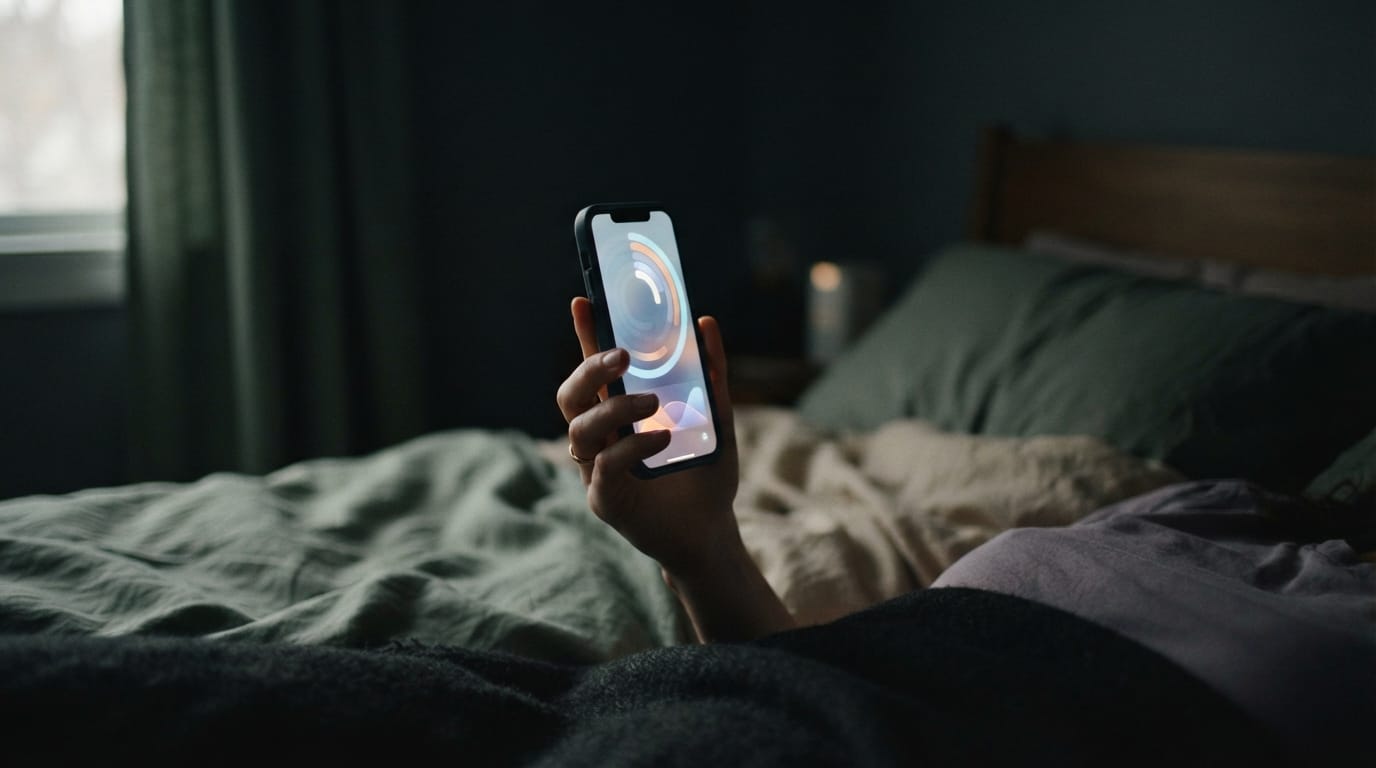
When you have done the Blue Zones thing — the movement, the diet, the community, the biomarkers — and the mood is still flat, the temptation is to conclude you must be optimizing wrong. Usually you are not. The physical layer and the psychiatric layer are different systems, and improving one does not automatically fix the other.
What closes the gap is a clinical read of the layer the wellness project skipped.
Bring the panel

If you have optimized the body and the mind hasn’t followed, the missing step is a clinician who reads the whole picture — labs, history, symptoms — and tells you what to treat.
That is the work here: dual-trained in psychiatry and primary care, after 19 years reading lab values in intensive care. Bring your panel. Telehealth across California.
If you already have the labs, this is the part nobody does
A lot of people in Redondo Beach arrive with data — a full panel, a dashboard, a subscription that flagged three markers orange — and no one who will sit down and read it against how they actually feel. That reading is the work. I trained in psychiatry first, then went back and trained in adult-gerontology primary care, after 19 years in intensive care units at USC, Cedars-Sinai, and NewYork-Presbyterian, where the labs were never optional. Bring the panel. We will go through it, decide what matters, treat what should be treated, and let the rest go.
Telehealth across California. Mental health is not only psychiatry — sometimes it is a body that has not been properly investigated, and telling those apart is the whole job.
What happens next
- 1. A free 15-minute call to see whether this is the right fit — no commitment, real availability on the calendar.
- 2. Bring whatever labs you already have — a full panel, a dashboard, or nothing yet. We start from where you are.
- 3. We read it together, decide what matters, and build the plan from there. Most new patients are seen within days.
Horizon Peak Health is verified on Psychology Today.
Bring your panel. Let's read it together.
Start with a free 15-minute call to see if we're a fit — telehealth across california. Most new patients are seen within days.
This page is education, not crisis care. If you are in danger right now, call 911, or call or text 988 for the Suicide & Crisis Lifeline, any hour.