City Minds — Tempe, Arizona
The Tempe Mind
A city that engineered a lake in a dry riverbed and optimizes relentlessly — and the youngest place on this list, built around the exact age group that carries the most.
The short version
Tempe engineered a 2.4-million-visitor lake in a dry riverbed and grew up around ASU, the nation’s most innovative university for over a decade. It is also, by far, the youngest city on this list.
That matters: nationally, 18–25-year-olds carry the highest rate of mental illness of any adult age group. Tempe posts the highest sleep-debt estimate in the series and among the highest distress. A city built around youth is built around the age that carries the most.
That is treatable, not an identity — and it needs a diagnosis, not more hustle. Dual-trained in psychiatry and primary care, 19 years reading labs in intensive care. In-person in Gilbert and telehealth across Arizona.
Tempe, by the numbers
Each bar shows where Tempe lands among the 23 California and Arizona cities in this series. The vertical tick is the group median; the dot is Tempe. These are CDC model-based estimates for adults, not head counts.
- Depression
- 20.0%
- Frequent mental distress
- 16.6%
- Loneliness
- 34.6%
- Lacking social & emotional support
- 25.4%
- Insufficient sleep
- 34.9%
- Binge drinking
- 18.3%
adults ever told they have a depressive disorder
14+ days of poor mental health in the past month
adults who report feeling lonely
adults who lack the social and emotional support they need
adults sleeping less than 7 hours a night
adults reporting binge drinking in the past 30 days
Source: CDC PLACES, 2025 release (model-based estimates). Figures are small-area modeled estimates for adults aged 18+, retrieved 2026-07-03. The 23-city median is calculated across the cities in this series, not a national benchmark.
Reading numbers like these against how you actually feel — that’s the appointment. In-person in Gilbert and telehealth across Arizona.
A lake in a dry riverbed
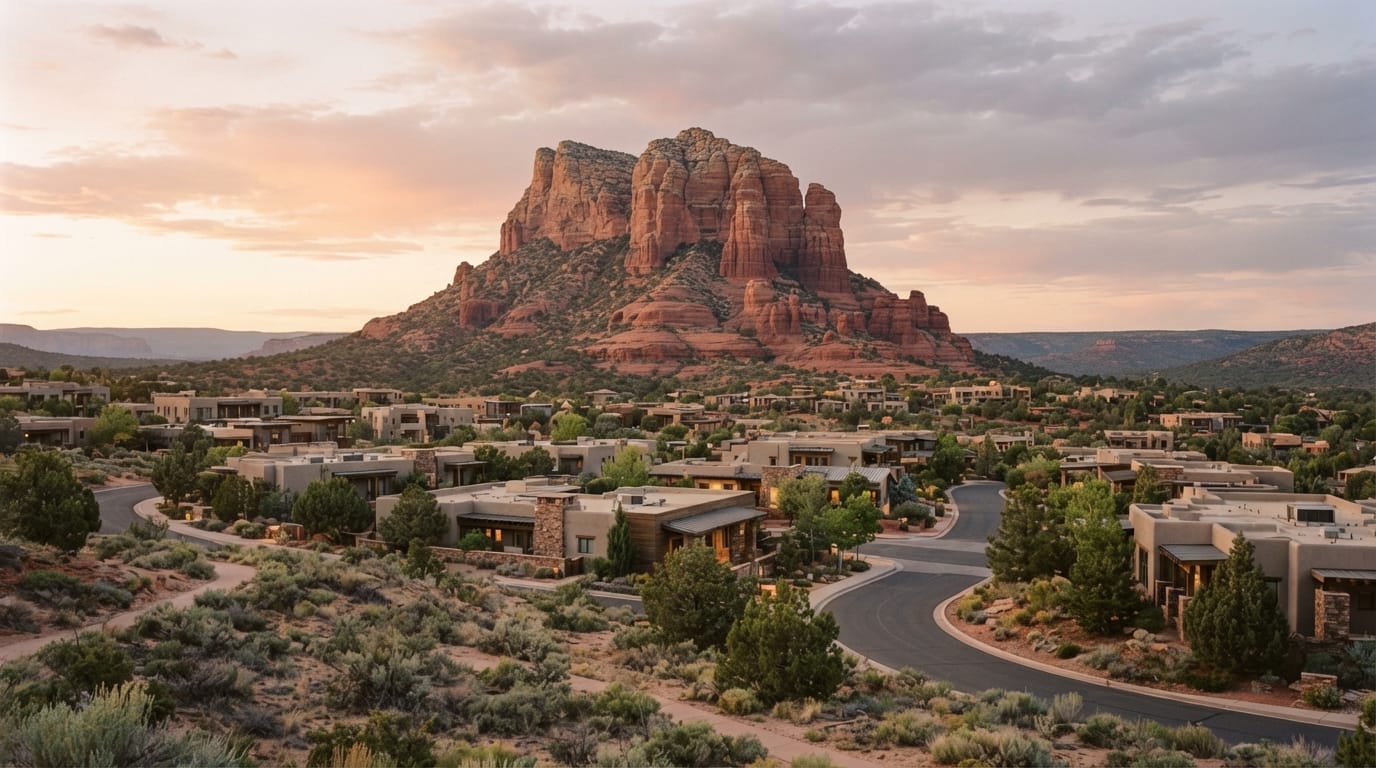
Tempe’s defining landmark is a paradox made concrete: Tempe Town Lake, opened in 1999, is a two-mile, 224-acre lake held in place by inflatable dams in a riverbed that runs dry most of the year. It is now Arizona’s second most-visited attraction after the Grand Canyon. The city grew up around the school founded in 1885 that became Arizona State University — ranked the nation’s most innovative university for more than a decade running, ahead of MIT and Stanford.
This is a city that engineers its environment and optimizes relentlessly. It is also, by a wide margin, the youngest place on this list — and that turns out to matter enormously.
The high-distress age, at city scale
Tempe’s median resident is about 30 years old — roughly a decade younger than the national median — in a majority-renter city organized around an ASU campus that enrolls over 55,000 students in Tempe alone. And here is the fact that reframes everything: nationally, young adults aged 18–25 carry the highest rate of any mental illness of any adult age group, at over 36%, and the highest rate of serious mental illness.
So a city built around youth is not a city built around ease. It is a city built around the exact demographic that carries the most.
Sources: Mental illness by age (NIMH).
The most distress, the least sleep

The data matches the demographic. Of the 23 cities in this series, Tempe carries the highest modeled estimate for insufficient sleep, and among the Arizona cities the highest for frequent mental distress. Depression sits at the group middle, but the picture is of a young, striving, sleep-deprived population under real pressure.
This is a solvable, treatable community fact, not an identity — and it is worth saying plainly to a young reader: high distress at your age is common and it responds to care. What it needs is a diagnosis and a plan, not more hustle.
Sources: CDC PLACES, 2025 release.
The 3 a.m. loop
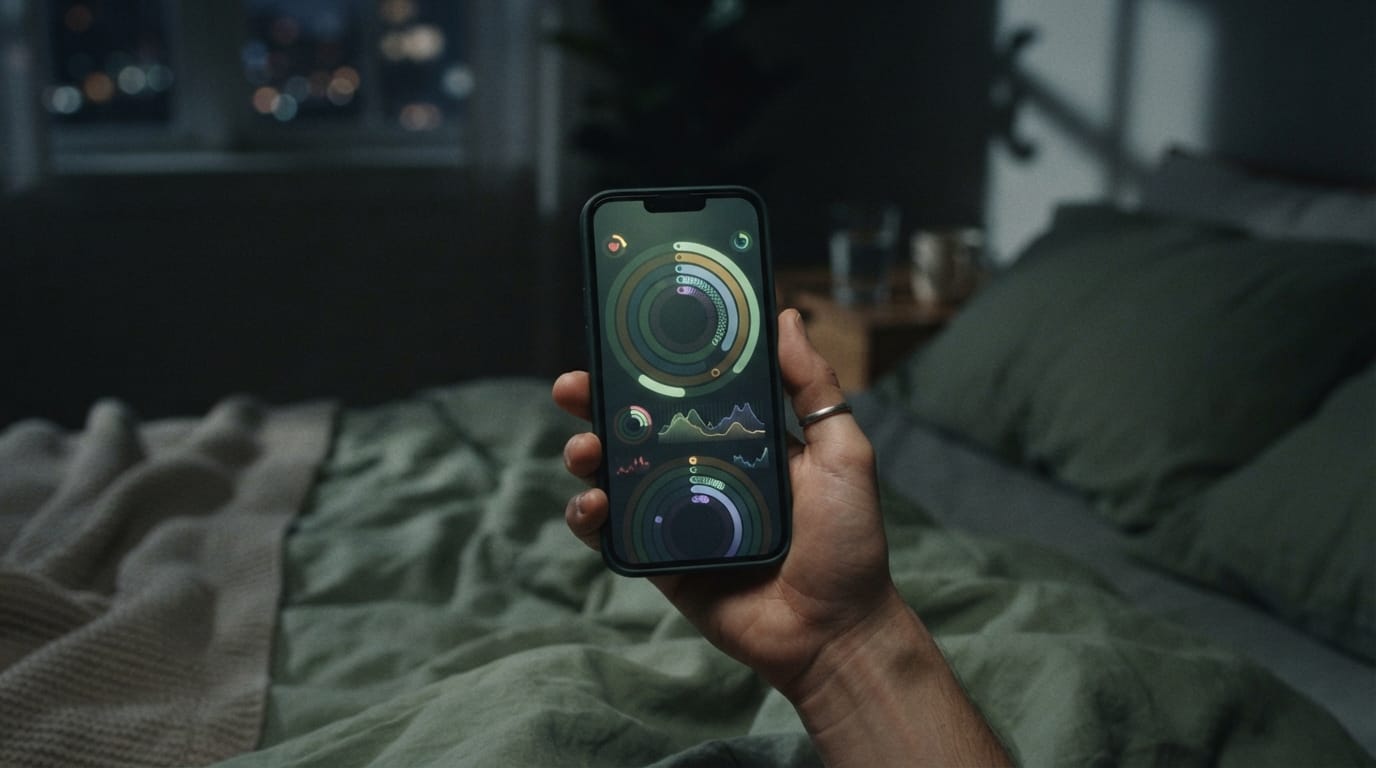
In an achievement-saturated, innovation-obsessed environment, the instinct is to track output and push harder — and the recovery inputs, sleep and support, get treated as optional. They are not. When distress and sleeplessness are this common in a population this young, the right move is not another productivity system.
It is a clinical read of what is actually going on: a mood disorder, an anxiety, a sleep problem, or a medical contributor — told apart by someone whose job it is.
Bring the panel

If you are young and stretched thin and running on no sleep, that is common — and it is treatable. The missing step is a clinician who takes your history and your data seriously and helps you sort what is going on.
That is the work here: dual-trained in psychiatry and primary care, after 19 years reading lab values in intensive care. The Gilbert office is a short drive, and telehealth covers all of Arizona. If you are in immediate danger, call or text 988.
If you already have the labs, this is the part nobody does
A lot of people in Tempe arrive with data — a full panel, a dashboard, a subscription that flagged three markers orange — and no one who will sit down and read it against how they actually feel. That reading is the work. I trained in psychiatry first, then went back and trained in adult-gerontology primary care, after 19 years in intensive care units at USC, Cedars-Sinai, and NewYork-Presbyterian, where the labs were never optional. Bring the panel. We will go through it, decide what matters, treat what should be treated, and let the rest go.
In-person in Gilbert and telehealth across Arizona. Mental health is not only psychiatry — sometimes it is a body that has not been properly investigated, and telling those apart is the whole job.
What happens next
- 1. A free 15-minute call to see whether this is the right fit — no commitment, real availability on the calendar.
- 2. Bring whatever labs you already have — a full panel, a dashboard, or nothing yet. We start from where you are.
- 3. We read it together, decide what matters, and build the plan from there. Most new patients are seen within days.
Horizon Peak Health is verified on Psychology Today.
Bring your panel. Let's read it together.
Start with a free 15-minute call to see if we're a fit — in-person in gilbert and telehealth across arizona. Most new patients are seen within days.
This page is education, not crisis care. If you are in danger right now, call 911, or call or text 988 for the Suicide & Crisis Lifeline, any hour.